Home / Training
Handler & Instructor Training

Ready on day one — not just certified.

Handler certification, instructor certification, and foundation detection training built around field competence and a standard that stands up when it matters.

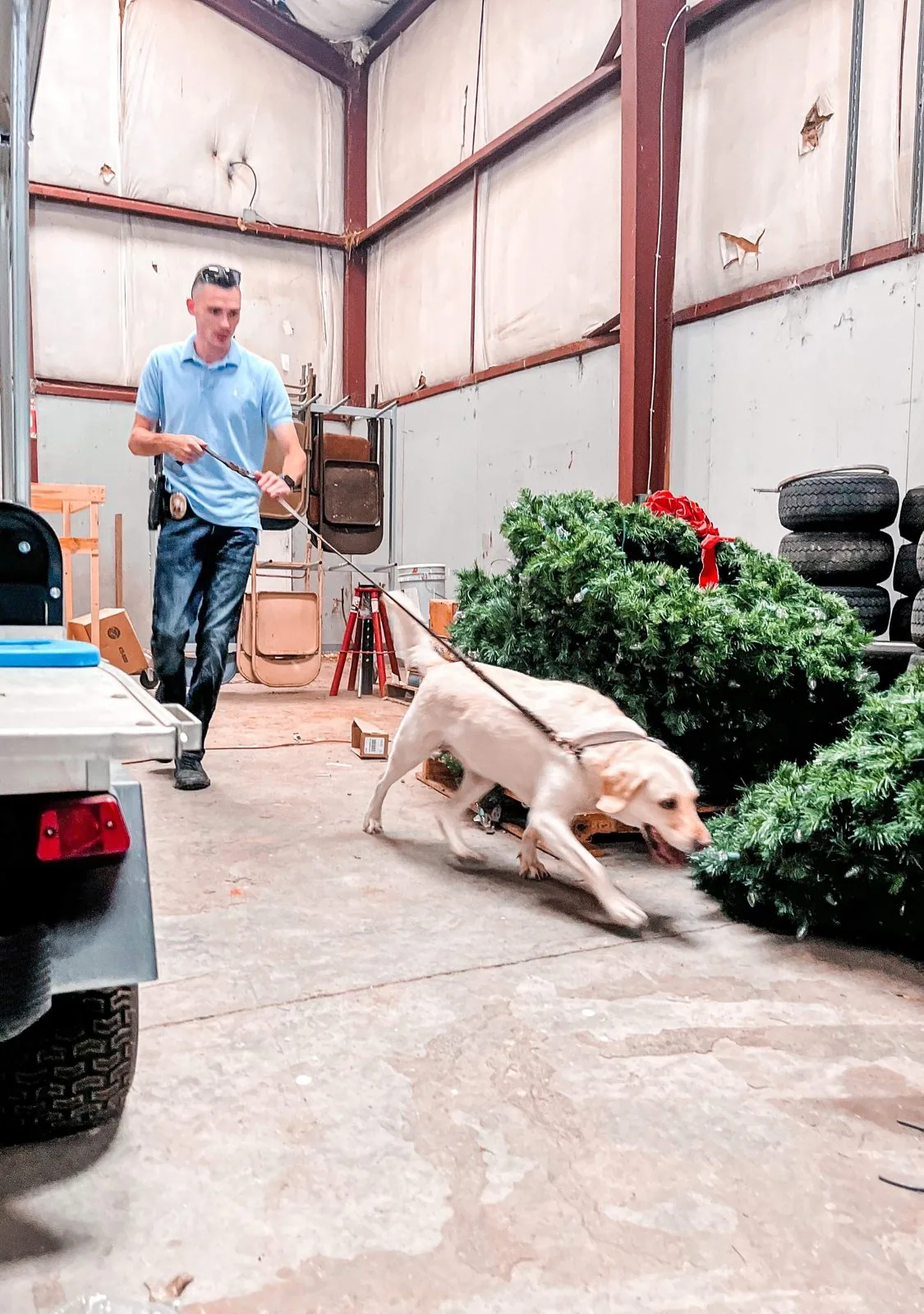
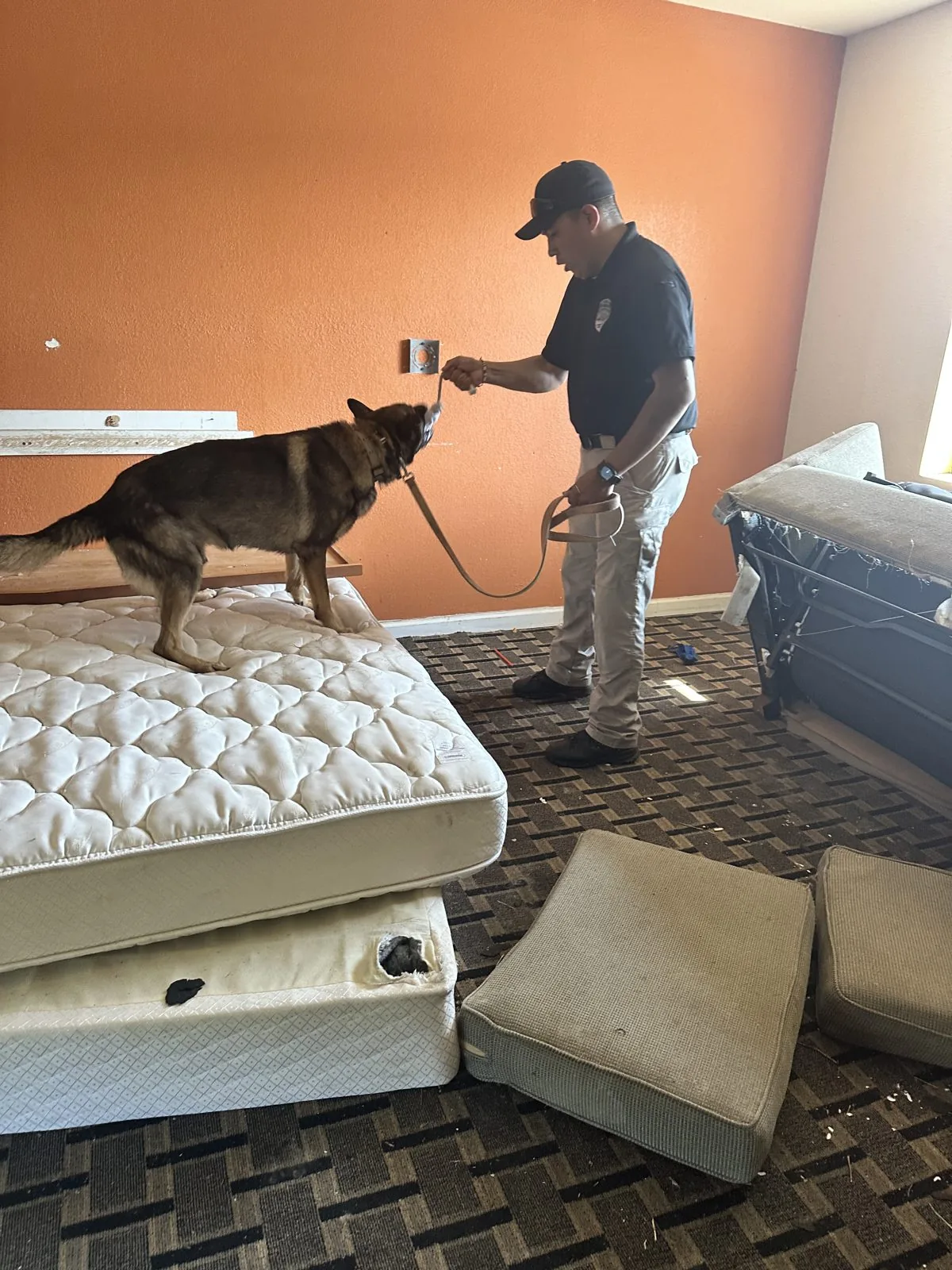
Training day in the field
In short

K9School's handler and instructor courses teach you to read the dog, not just reward the sit — running clean searches, recognizing the change of behavior, controlling your own influence, and documenting the work. Foundation, handler, and instructor tracks build real field competence to the LSOC standard, not just a certificate.

Proof that matters to you

Built to remove your risk.

👁️

Learn to read the dog

We teach the search before the sit — the Five Phases, reading behavior, and the Scent Board System — so you handle the dog you actually have. The method →

Outcomes, not attendance

You leave able to run a reliable, court-defensible team — because we train the human end of the leash, hard.

🧭

A real career path

Foundation → handler → instructor. Grow with a standard behind you.

Training day
Training day
Programs

Become a handler or trainer who's ready on day one.

Handler Certification

Build a reliable, court-defensible detection team — dog and handler together.

Quoted per programDates on request
Apply

Instructor Certification

Advance from handler to instructor and train teams to standard.

Quoted per programDates on request
Apply

Foundation Scent Detection

The core detection foundation done right from the start.

Enroll

Four-Day Assisted Training

Four intensive days, Thursday to Sunday, three teams maximum. You go home, put in the work, and come back when you are ready for the next one. Pay per class, no fixed schedule.

$995 per team$795 agency rateMax 3 teams
Enquire

Field Deployment Training

Bridge the gap from the yard to real-world environmental searches.

Inquire

Not ready to enroll yet?

Get the full program catalog & syllabi — curriculum, outcomes, and what each track certifies.

⬇ Get the catalog (PDF)

Apply / Join the next cohort

We reply personally — a real answer from David, not an autoresponder. No spam, ever.

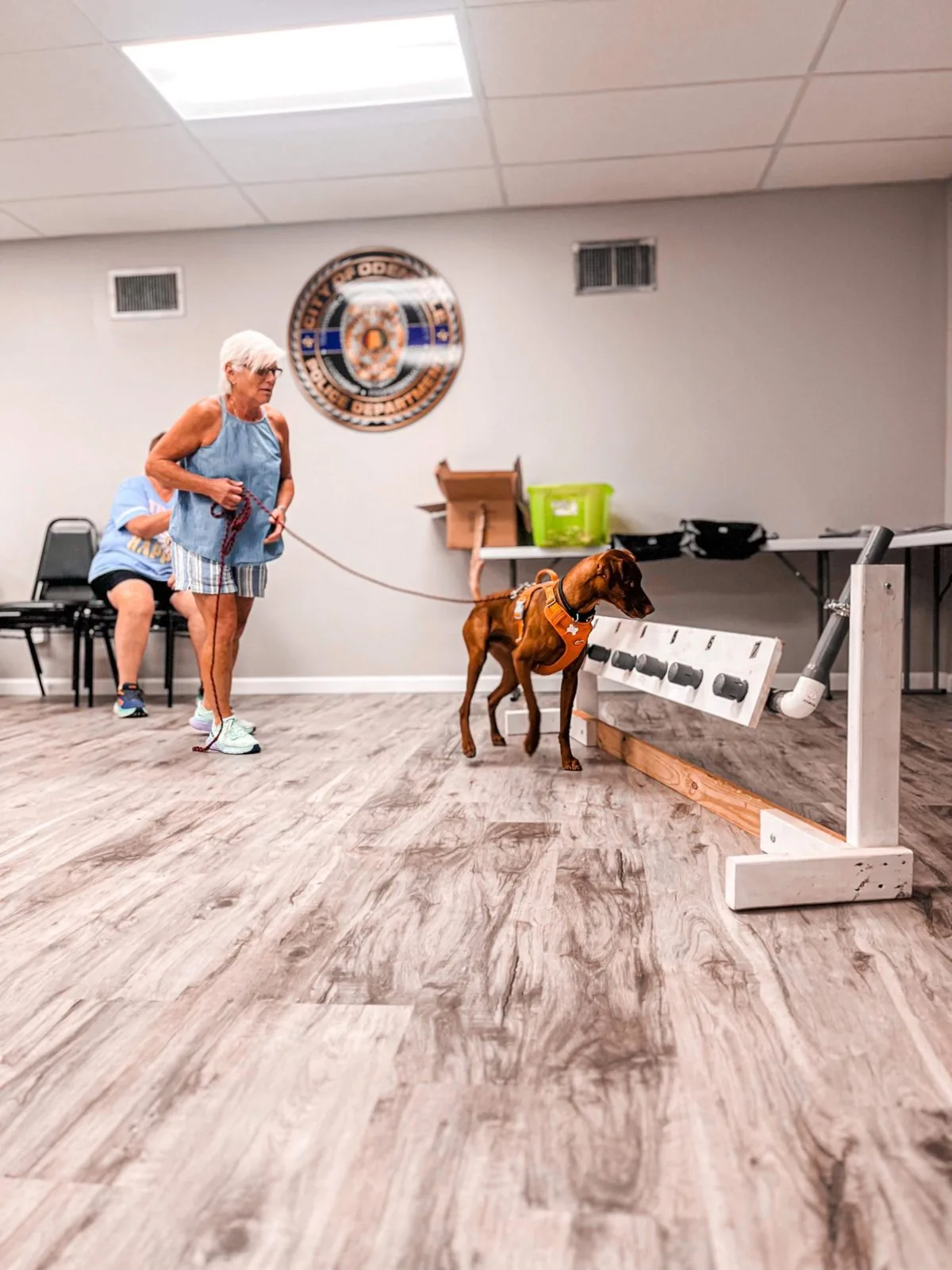
Foundation work on the scent board
Building drive on the leash
What we actually teach

We don't train the sit. We train you to read the dog.

Most handler courses teach a dog to sit at odor and teach a person to reward it. You leave with a certificate and a dog that alerts — and the first time the work gets hard, or a search goes sideways, or an attorney asks what the dog actually did, you discover how little that certificate prepared you for. We teach something more durable and more difficult: how to see. How to read a dog through the Five Phases of behavior, how to know your individual dog's baseline so you catch the change of behavior the instant it happens, and how to tell the difference between a dog working odor and a dog reading you.

That skill — reading behavior, then explaining it — is what separates a person who owns a detection dog from a handler who can deploy one. It cannot be handed to you on a lanyard. It is built, rep by rep, on real problems, and it is the core of every course we run. The dog is the easy part. The human end of the leash is where reliability is won or lost, and it is where we spend the work.

The path

Foundation, handler, instructor — a real career, not a weekend.

Foundation scent detection builds the core correctly from the start: imprinting on odor, teaching the dog to hunt and to problem-solve, and establishing the honest search habits that everything else stands on. Get the foundation wrong and you spend years patching cracks; get it right and the dog is easy to advance.

Handler certification is where the dog and the person become a team. You learn to run a systematic search, to read your dog's tells, to keep your own influence out of the work, and to document what you did so it holds up later. You leave able to run a reliable, court-defensible team — because we drill the whole sequence, not just the final response.

Instructor certification is for the handler ready to train others and hold a program to standard. It is the difference between doing the work and being able to teach, evaluate, and defend it. A career in this field is a ladder — foundation to handler to instructor — and we built the training so you can climb it with a standard behind you at every rung.
Reduce your own influence

The hardest thing to train is the person holding the leash.

Every handler leaks. Where you look, how you plant your feet, a change in your breathing near the spot you think the aid is hidden — dogs read all of it, because you are part of the environment they are searching. This is the Invisible Leash, and it is not a character flaw; it is physics and biology, documented in the research. We do not pretend you are immune to it. We train you to move the same way whether you know the answer or not, and then we take the answer away from you with blind and double-blind exercises, so you learn — in the safety of training — exactly how your body talks to your dog. Handlers who have felt that in a controlled setting are the ones who can be trusted in an uncontrolled one.

What you leave with

Outcomes, not attendance.

A certificate proves you showed up. We care whether you can do the job. When you finish, you should be able to present a search cleanly, read your dog through every phase, keep your influence out of the work, recognize an honest "no odor here," and write a training record that would survive being read aloud in a hearing. That is a higher bar than a passing score on a demo, and it is the bar the work will actually hold you to. If you want the credential without the competence, there are faster places to get it. If you want to be the handler other units call when it matters, start here.

Who this is for

New to detection, or fixing a dog you already run.

Our courses serve a wide range — officers assigned to a K9 unit for the first time, pest-control and conservation professionals adding a detection capability, working handlers whose dogs have developed problems, and experienced trainers moving toward instructor-level competence. No formal experience is required for the foundation and handler tracks, though a genuine willingness to be coached on your own habits helps more than any résumé. The one thing every student has in common when they leave is that they stopped managing a dog and started reading one.

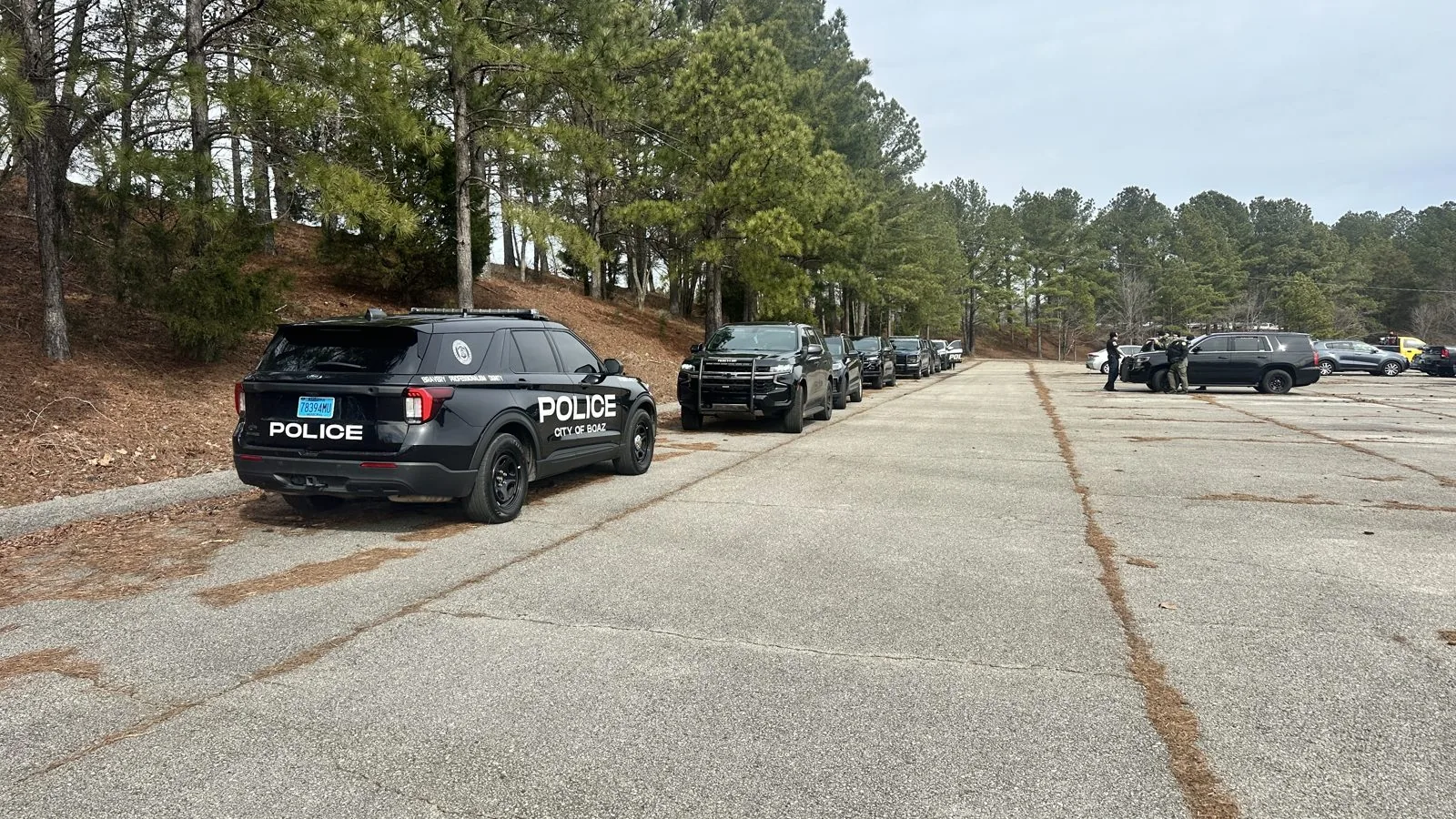
Training takes place on-site in Lincoln, Alabama, with real field components rather than yard-only drills, because a dog that only works a clean training room is a dog you have not actually tested. Bring your own dog to build the specific team you'll deploy, or work a program dog to learn the mechanics first. Either way, expect to be the one who gets corrected: most "dog problems" are handler problems, and the fastest way to a reliable team is to fix the end of the leash that talks back.

What it costs

What it costs, and how a quote gets built.

Where we can publish a number, we do. Where the job genuinely varies, we tell you what moves the price instead of hiding behind “contact us.”

$13,500
Fully trained dog and handler package — the dog, training in an approved discipline, and handler instruction. $3,500 nonrefundable deposit before training begins.
$995/team
Four-day assisted training class. $795 per team for qualifying law-enforcement, fire-service, government and nonprofit teams. Pay per class, attend as often as you need.
$500/day
Seminars and professional speaking, per presentation day, plus $200 for each travel day and reasonable expenses.

Tuition does not include the dog, travel, lodging, certification fees, veterinary expenses, or specialized training materials unless stated. Tracking and trailing, and training a dog you already own, are quoted individually — those depend on the dog.

What moves the number

So you can put a realistic figure in front of whoever signs off before you ever speak to us.

Tell us those five things and you get a written number back, not a sales call.

Watch

A green dog's first week.

Days one through seven with Bella, and what actually changes day by day.

Bella, days one through seven
A green dog's first week, start to finish.

More video on the channel

Before you decide

The questions you're already asking

Do I need prior experience?

No formal experience is required for foundation and handler tracks, though it helps. Every program is subject to a dog evaluation, instructor availability, and a written training agreement.

Is financing available?

A $3,500 nonrefundable deposit is required before training begins on a dog package. The remaining balance and the payment schedule are set out in your written training agreement. The four-day classes are paid per class, which is the point of them — you attend as often as you need rather than committing to a lump sum up front.

Where does training take place?

On-site in Lincoln, Alabama, with field components. Unless stated otherwise, tuition does not include the dog, travel, lodging, certification fees, veterinary expenses, or specialized training materials.

What certification do I earn?

Certification to the LSOC standard, documenting your team's reliability to a recognized benchmark.

The reward after the find

Ready when you are.

Handler certification, instructor certification, and foundation detection training built around field competence and a standard that stands up when it matters.

📞 Call David — (205) 966-8739