Narcotics Detection K9s: What Agencies Should Know
A narcotics K9 is an evidentiary tool as much as an operational one. Deployed and documented well, it's a force multiplier; documented poorly, it's a liability that can sink a case. Here's what matters when you bring one into your unit.
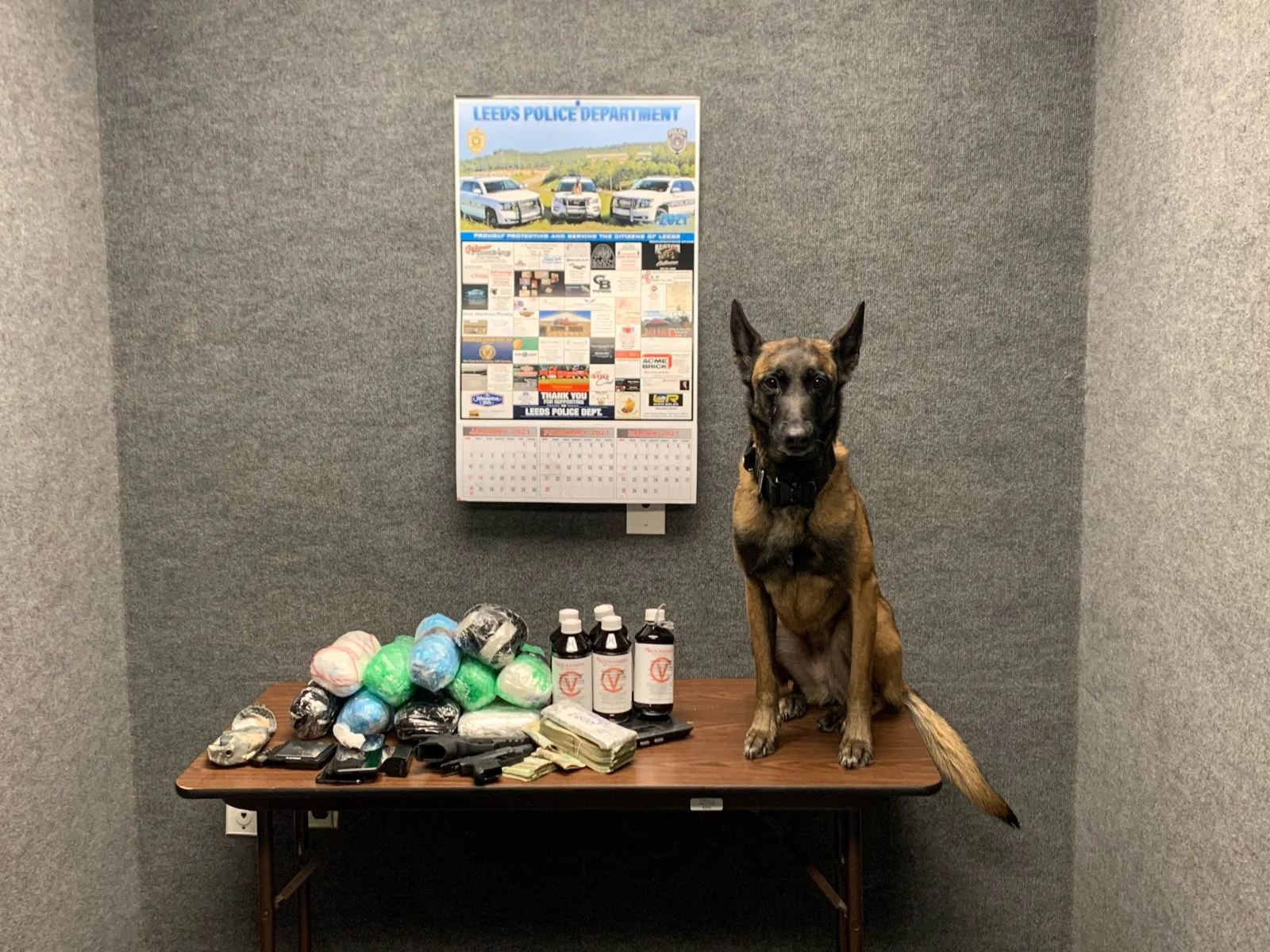
Narcotics dog with a find
In short
A narcotics detection K9 is an evidentiary tool as much as an operational one. Reliability is a legal question — courts scrutinize training, certification, and maintenance records — so build the paper trail from day one, test blind to prove the dog works odor and not the handler, and train handlers to describe behavior.
Reliability is a legal question, not just a training one
A narcotics detection alert can establish probable cause — which means your dog's reliability may be scrutinized in court. Courts increasingly look at training records, certification to a recognized standard, and maintenance logs. A dog that performs in the field but has thin documentation is a case waiting to be challenged.
Build the paper trail from day one: certification, ongoing maintenance training, and records of finds and misses.
Single-purpose vs. dual-purpose
Decide whether you need a dedicated narcotics detection dog or a dual-purpose patrol-and-detection dog. Dual-purpose maximizes a handler's utility but adds training and management complexity. The right answer depends on your call volume, staffing, and mission — not on what's cheapest.
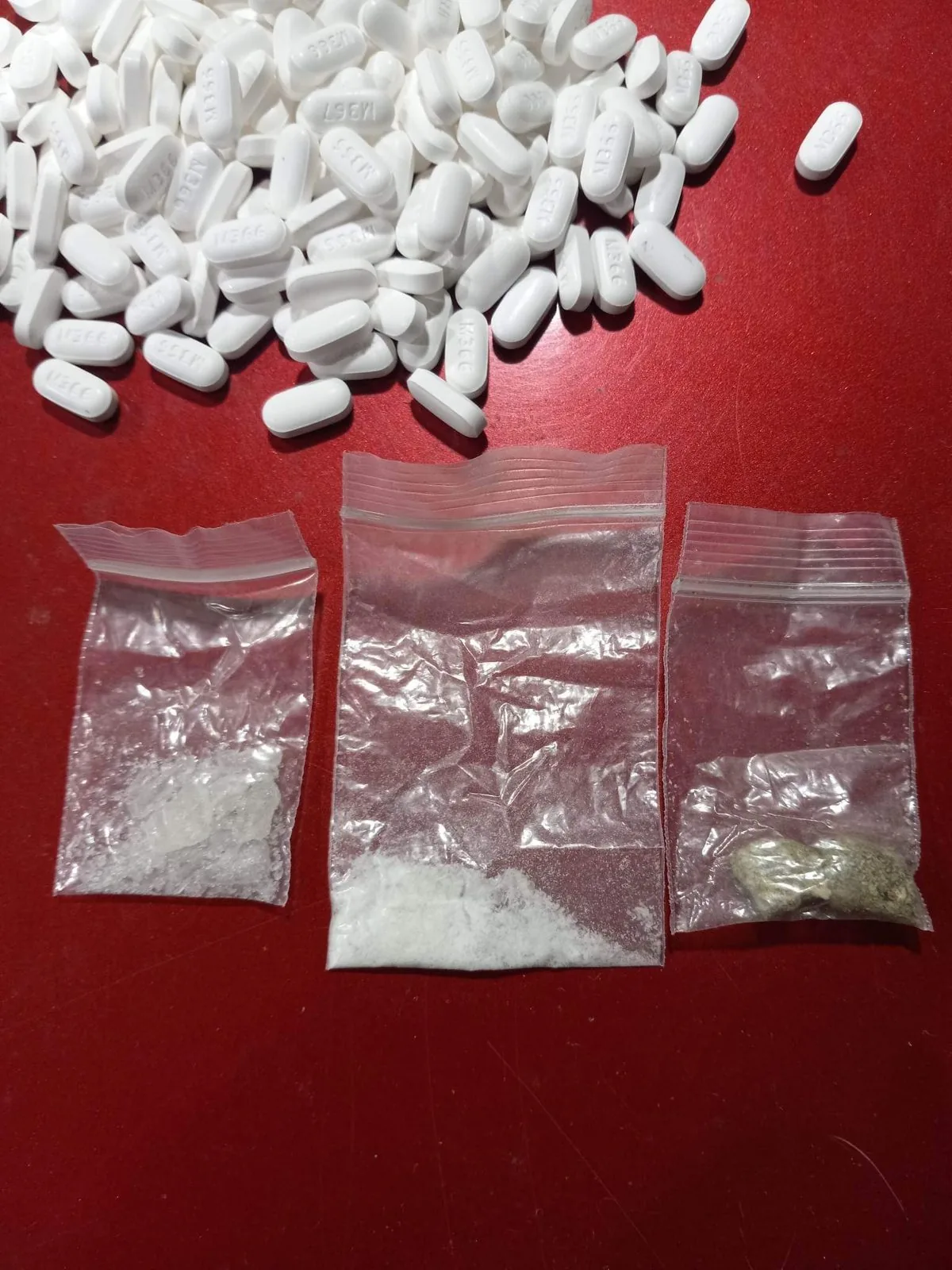
Packaged narcotics located
Selection traits for narcotics work
Strong, persistent hunt drive in distracting environments (roadside, vehicles, crowds).
Environmental confidence on vehicles, in tight spaces, and around traffic.
A clear, trainable trained final response.
Stable temperament around the public.
The mistakes that get cases thrown out
The narcotics cases that fall apart tend to fail for the same handful of reasons, and every one of them is preventable. A training file that documents only successes, which reads as dishonest the moment it's examined. Testing that was never blind, leaving no answer to the claim that the dog was cueing off the handler. A handler who overreaches on the stand — testifying that the dog “knew” there were drugs rather than describing the behavior actually observed. And no fluency with the case law that governs the work, so the handler is caught flat by questions any prepared attorney will ask. The Florida v. Harris guide covers the legal backdrop; the fix in every case is the same — honest records, genuine blind testing, and testimony bounded to what was seen.
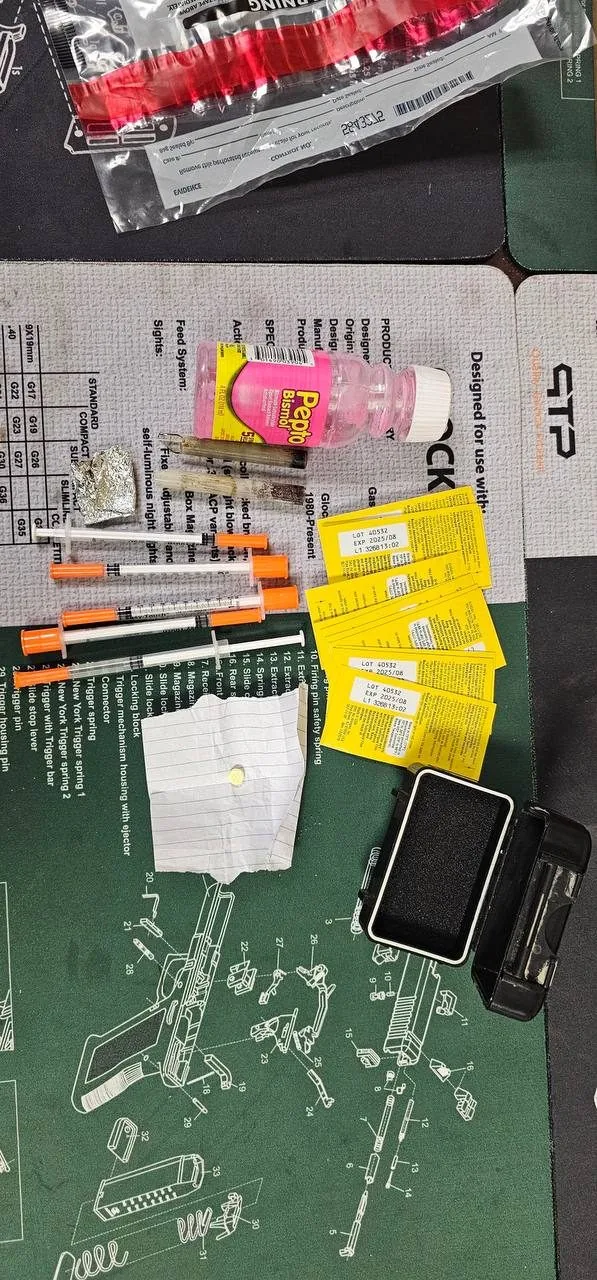
Narcotics and paraphernalia
Read the dog, don't just call the alert
A narcotics deployment is stronger when the handler can describe the search, not just announce the outcome. “The dog alerted” is thin; “the dog's respiration changed as it passed the seam of the door, it snapped its head back, bracketed, and gave its trained response at the base of the door” is evidence. Training handlers to read the phases of behavior and articulate them is not academic polish — it is what makes a narcotics team's testimony hold up when it matters.
Handler competence decides field reliability
The same dog is reliable or unreliable depending on the handler. Cueing, poor search presentation, and sloppy record-keeping are handler failures that look like dog failures. Invest in handler certification and continued development — it's where most real-world reliability is won or lost.
Frequently asked
Do you certify to a standard courts will respect?
Teams are trained to the LSOC standard with documented records, so reliability is demonstrable rather than asserted.
Single or dual purpose — which should we get?
It depends on your call volume and staffing. We'll help you scope it.
Watch
Independent work on a vehicle.
Drug dog opens a car door and gets to source Independent work. The dog solves the access problem itself.