Florida v. Harris (2013) is one of the most cited — and most misunderstood — detector-dog cases. Handlers sometimes hear that it means “certification proves reliability” and stop thinking. It doesn't, and they shouldn't. Here's what it actually means for your work.
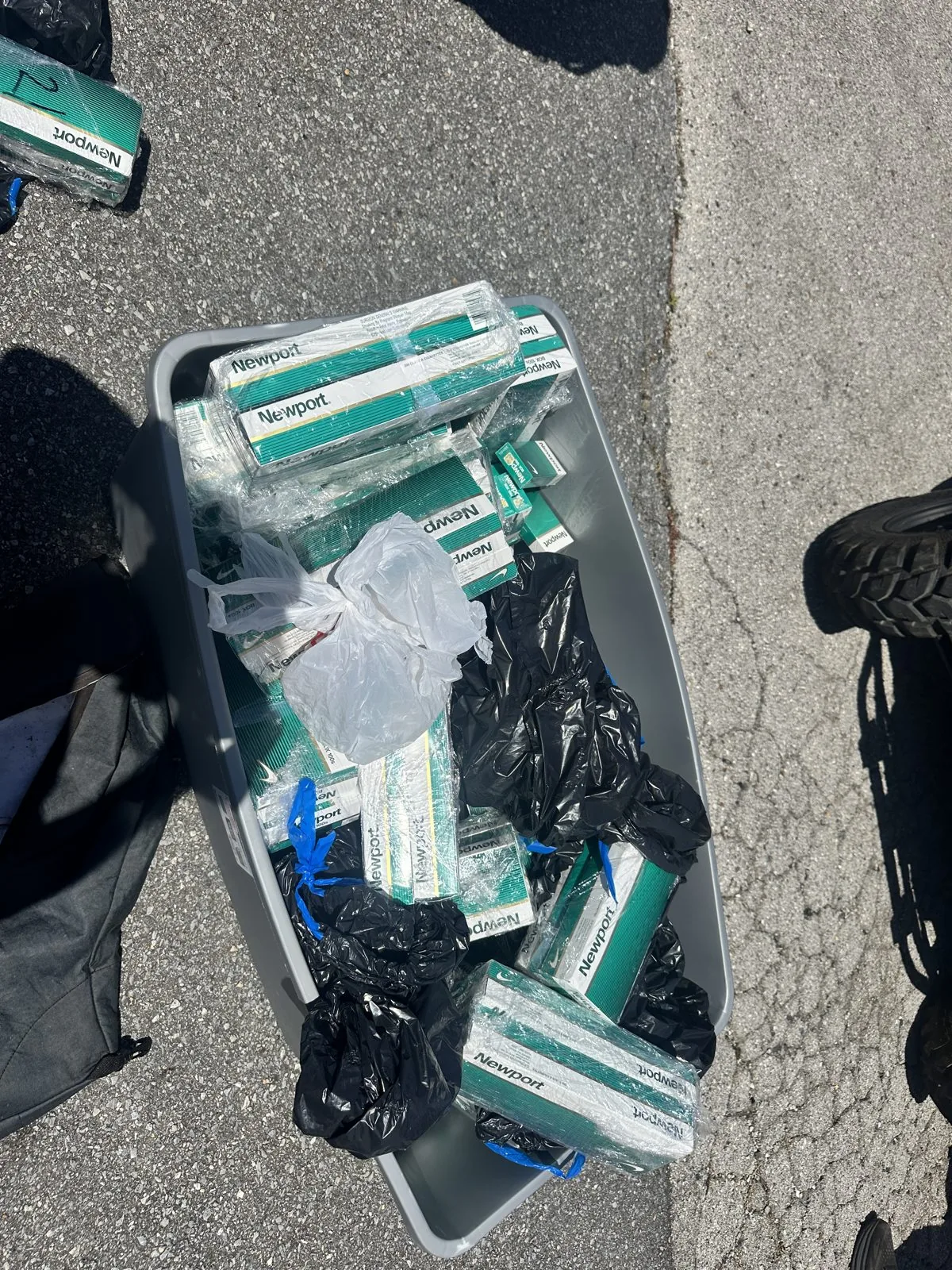
Documented recovery
In short
Florida v. Harris (2013) holds that a detector dog's reliability is judged by the totality of the circumstances, not a rigid checklist — training and certification matter, but the defense can still challenge them. A certificate is a benchmark, not a magic shield; honest records and blind testing are what hold up.
What the Court addressed
Harris dealt with how a court decides whether a dog's alert established probable cause. The Court rejected rigid checklists in favor of a totality-of-the-circumstances approach — training and certification matter, but so does the defense's ability to challenge them.
What it does not do
It does not make a certificate a magic shield. A defendant can still contest a dog's reliability with evidence about training, records, testing, and handler influence. Certification is a benchmark, not a guarantee — and a thin training file invites exactly the challenge Harris permits.
A court-defensible team
What it asks of you
Keep genuine training records — including honest documentation of failures.
Test for real reliability with blind and double-blind work, not just pattern-passing.
Be able to explain the dog's behavior, not just assert an alert.
Understand that your credibility on the stand is part of the evidence.
Totality of the circumstances, in plain terms
Strip away the legal language and Harris says something a working handler already knows: reliability is judged by looking at everything, not by ticking a single box. A court weighs the whole picture — how the team was trained, whether it was tested honestly, how it performs, and how credibly the handler can account for what the dog did — against whatever the defense can raise to undercut it. Certification is part of that picture and it helps, but it is one factor among several, not a trump card. The practical effect is that the quality and honesty of your program, not the existence of a certificate, is what carries the day.
That cuts both ways, and this is the part handlers miss. Because the standard is flexible, a strong, well-documented team is harder to attack — the totality is on your side. But for a weak team the same flexibility is a door: a thin file, pattern-trained testing, or a handler who overreaches on the stand all become part of the totality too, and they invite exactly the challenge Harris permits.
Where teams get into trouble
The cases that go badly tend to share the same weaknesses, and every one of them is preventable. Training records that show only successes, so the log looks polished but reads as dishonest to anyone who knows dogs. Testing that was never truly blind, so there is no way to answer the claim that the dog was reading the handler. And testimony that overreaches — a handler asserting the dog “knew” contraband was present instead of describing the behavior they actually observed. Each of these is an unforced error, and each is fixed not by a better certificate but by better habits: honest records, genuine blind and double-blind work, and the discipline to testify to behavior rather than conclusions.
Certification records matter
What it means if you're buying a team
For an agency, Harris is really a procurement question in disguise. The dog you buy and the handler you certify will, someday, be the thing your case rests on — and the totality that protects you is built long before the traffic stop, in how the team was trained, tested, and documented. That is why it is worth insisting on teams built for scrutiny from the start, and on a standard that produces the records a court will actually weigh. See how we train for it on The Method, how we document it against the LSOC courtroom-defensible standard, and how we support agencies on the agencies page.
The practical takeaway
Harris rewards teams that can demonstrate reliability and punishes teams that can only claim it. That's the same standard good training aims for anyway: build a dog whose work you can document and defend. If your program is honest, thorough, and well-recorded, Harris is on your side. If it isn't, no certificate will save it — and that is exactly as it should be.
Frequently asked
Does certification alone establish probable cause?
Not automatically. Harris allows the defense to challenge reliability, so documented training, testing, and credible testimony still matter.
Can you review a case involving a Harris challenge?
Yes — David reviews detector-dog cases and testifies as an expert, on the basis of honest evaluation. See Consulting.
Build a program that survives the challenge Harris allows.
We train and document teams for scrutiny, and provide expert review and testimony. Let's talk.