Becoming a detection handler isn't about collecting a certificate — it's about becoming someone a dog can rely on and an employer can deploy. Here's the honest path, and how to pick training that builds real competence instead of just handing you paper.
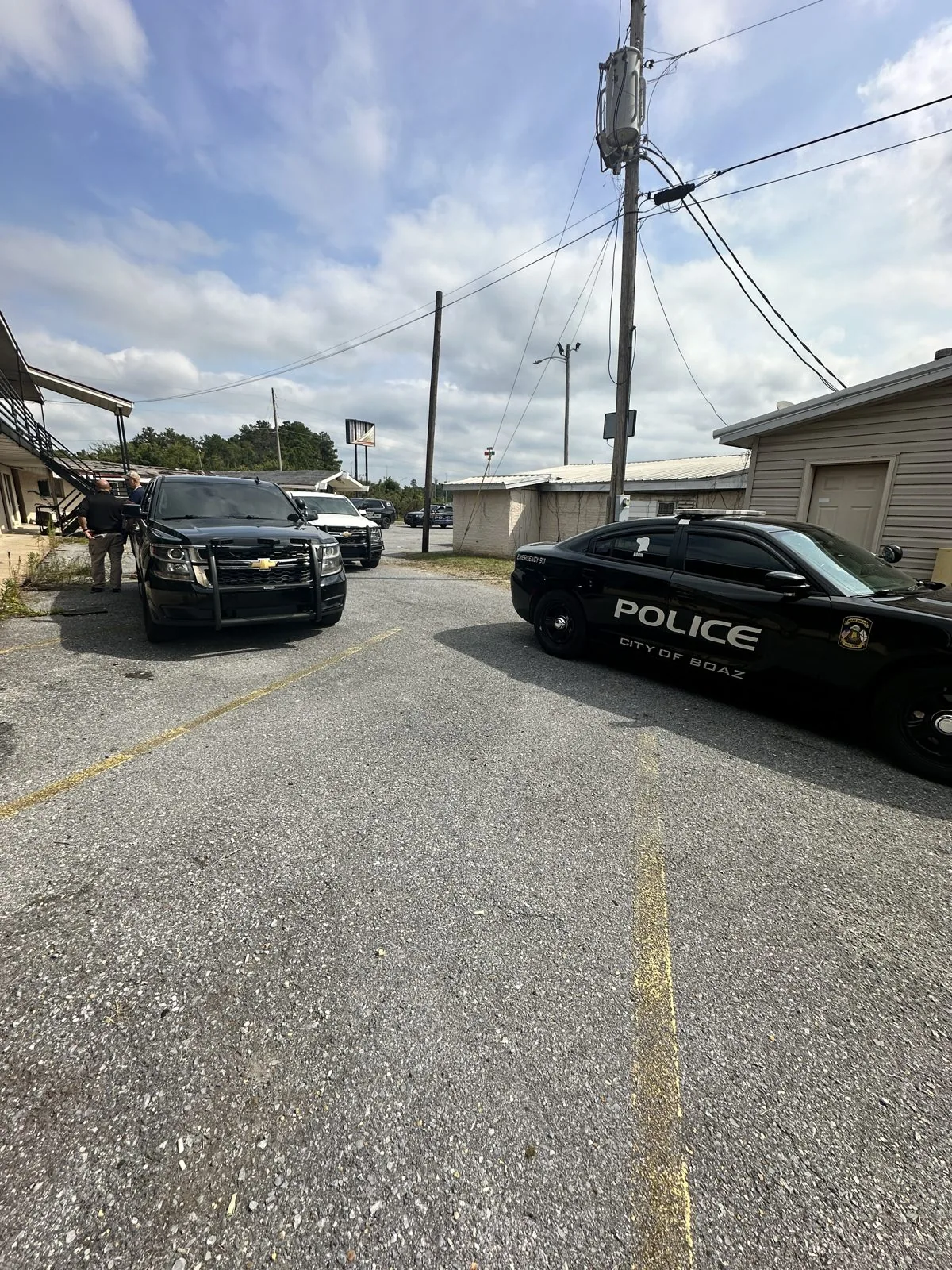
Handler training day
In short
Becoming a detection handler means becoming someone a dog can rely on — learning to present a search, read the change of behavior, control your own influence, and document the work. Choose field-first training that prepares you for independent certification testing and develops the handler, not just the dog.
Understand what the job really is
Handling is reading a dog. The dog does the detecting; your job is to present the search correctly, recognize a change of behavior, avoid cueing false responses, and keep accurate records. That's a learned skill set built on repetition and feedback — which is why the training you choose matters more than the credential you end up with.
The typical path
Foundation — learn scent theory, search patterns, and how to read a dog under a qualified instructor.
Handler certification — train and be evaluated as a team with a dog, then challenge certification testing.
Field deployment training — bridge from controlled setups to messy real-world environments.
Instructor certification — for those who want to train other teams, the highest rung.
You don't have to start with prior experience, but you do have to commit to reps. Competence comes from time on the leash with good coaching.
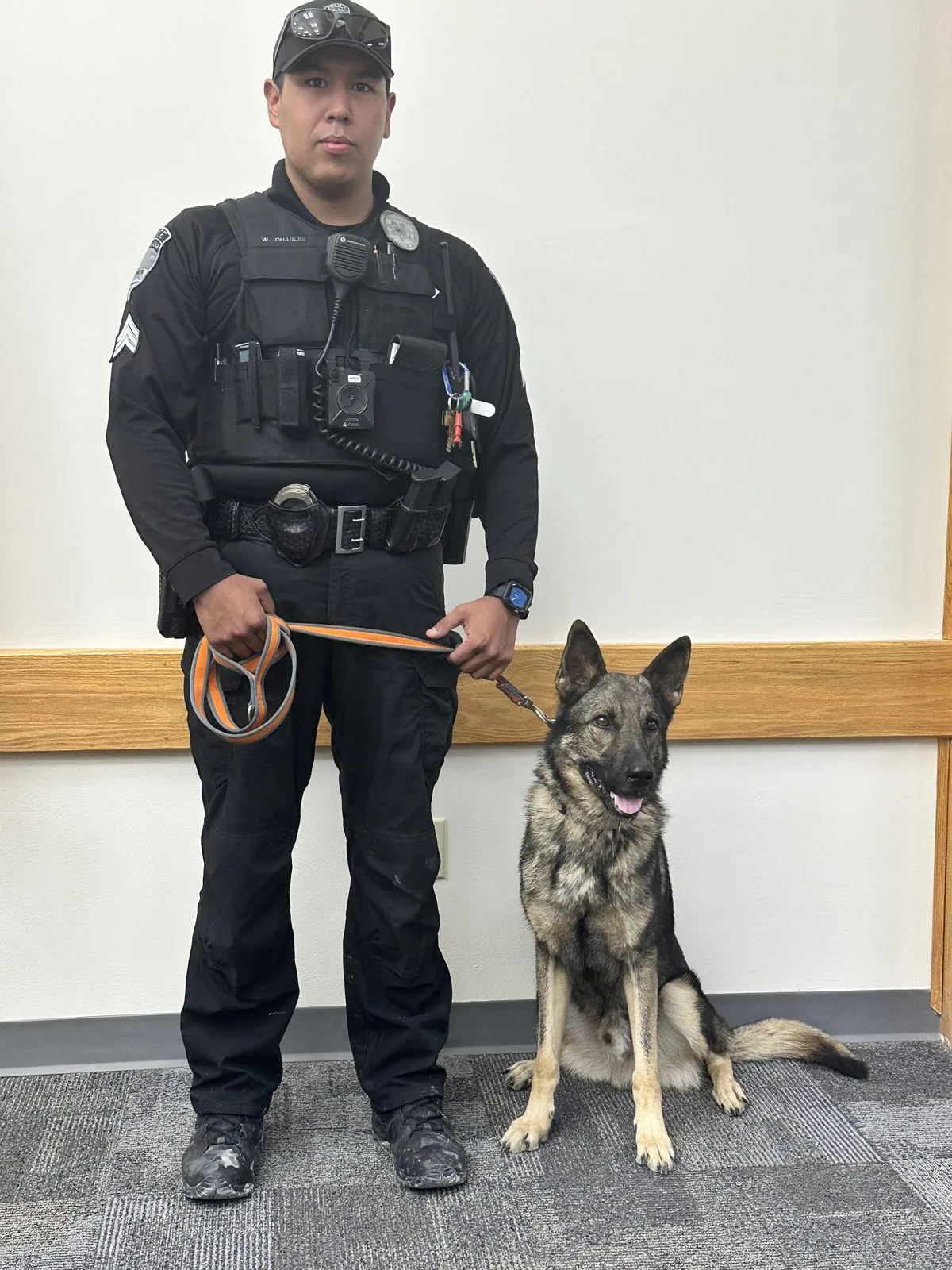
A certified handler team
How to choose a course (five questions)
Does it prepare you for independent certification testing, or just issue its own paper?
Is it field-first, or does it stop at controlled-yard exercises?
Do they train the handler, or mostly the dog?
Can they show you where their graduates are working?
Is the instructor an actual operator with deployment experience?
A program that can answer these confidently is worth far more than the cheapest or fastest option.
The skill nobody puts on the flyer: reading behavior
Most courses will teach you to reward a sit. Few will teach you the skill that actually makes a handler — reading the dog through the whole search, so you can see the change of behavior the instant it happens and know the difference between a dog working odor and a dog working you. That skill can't be handed to you on a lanyard. It's built rep by rep, on real problems, with a coach who can see what you're missing. When you evaluate a course, ask how much time you'll spend learning to observe, not just to handle. See the method we teach for what that looks like.
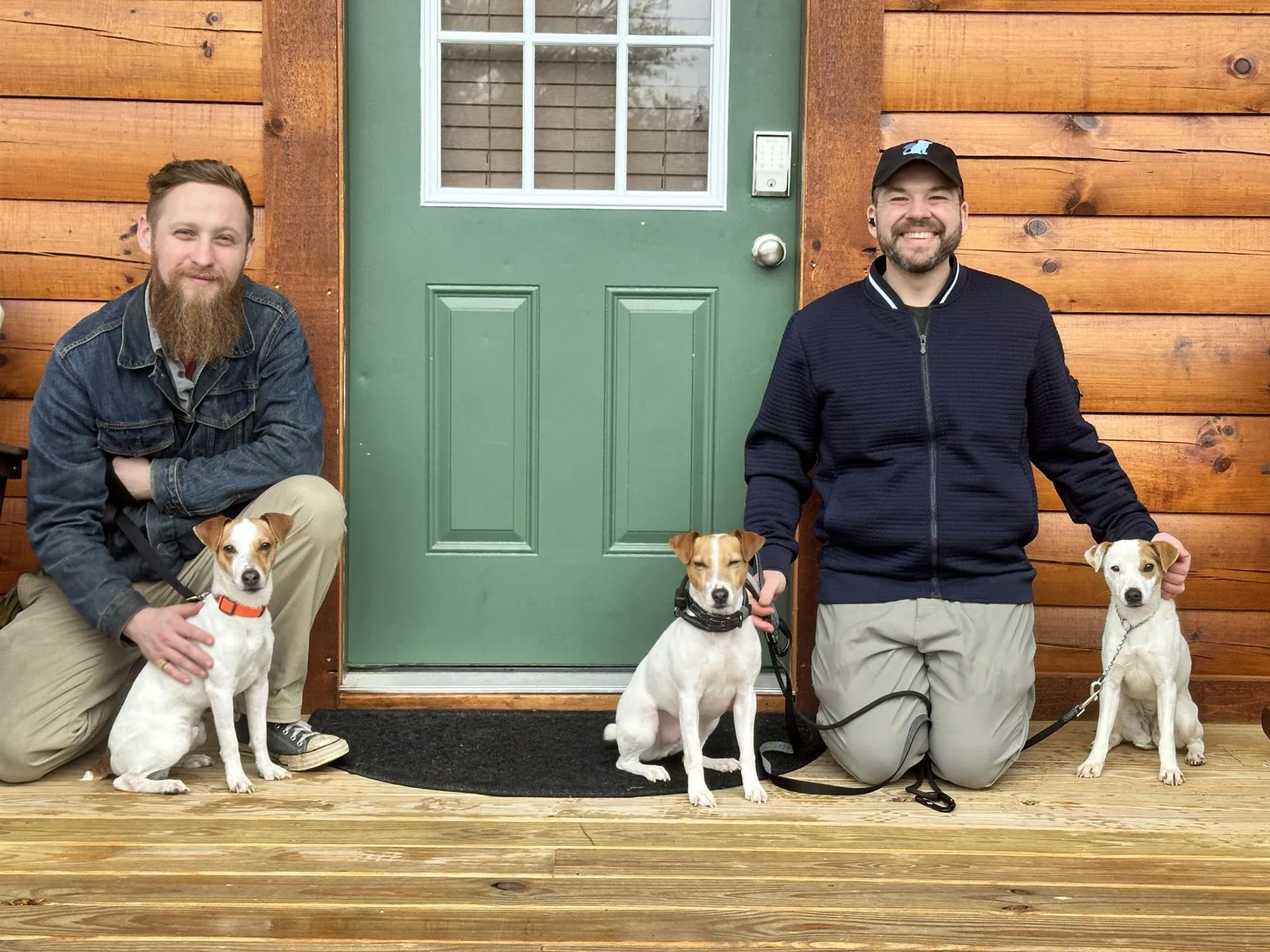
Handlers and their dogs
The hardest thing to train is you
New handlers are surprised to learn that the biggest variable in the team is not the dog — it's them. Where you look, how you move, the tension in the leash, your own anticipation when you think you know where the aid is: the dog reads all of it. This is the Invisible Leash, and learning to manage it is a core part of becoming deployable. Good training will make you uncomfortable on purpose, taking the answer away from you with blind exercises so you learn exactly how your body talks to your dog. Be wary of any course where the handler is never the one getting corrected.
What competence looks like when you finish
You should leave able to run a reliable team: present a search cleanly, recognize and reward correctly, troubleshoot common problems, keep your own influence out of the work, recognize an honest “no odor here,” and document your work so it holds up in a hearing. If a course can't tell you what you'll be able to *do* at the end — only what you'll have attended — keep looking.
Frequently asked
Do I need experience to start?
No formal experience is required to begin foundation and handler tracks, though it helps. Every program is subject to a dog evaluation, instructor availability, and a written training agreement.
What certification will I earn?
Preparation for certification testing, which is conducted separately to the certifying organization's standards.
Ready to train where it's field-first?
See the handler and instructor certification tracks, or get the full syllabus and next cohort dates.