Home / Certification
The Standard
Reliability you can document.
Every dog and handler we build is evaluated against the LSOC courtroom-defensible standard — so your records hold up where it counts.
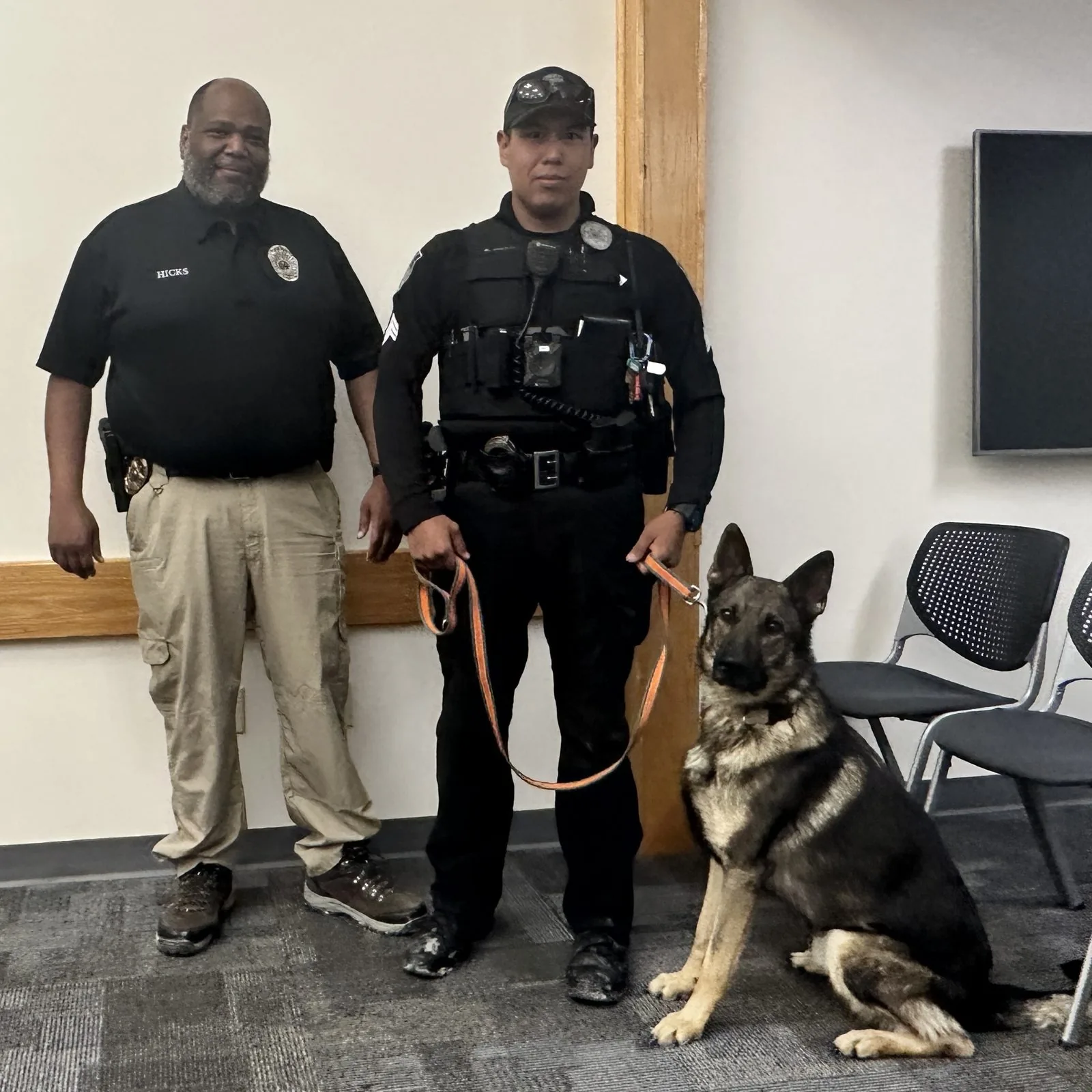
A certified detection team
Every dog and handler we build is evaluated against the LSOC courtroom-defensible standard — so your records hold up where it counts.
The LSOC courtroom-defensible standard evaluates a detection team the way a court would — reliability under field conditions, independent work proven by blind and double-blind testing, a handler who can explain the behavior, and honest documentation including failures. Certification is a defensible benchmark, never a guarantee of perfection.
The standard evaluates the whole team the way honest scrutiny would — because certification is a benchmark, not the goal.
Training and certification are deliberately separate. Finishing a program here does not certify a team; certification is its own evaluation against the certifying organization's published standard.
Agencies and courts don't reward the best adjectives — they reward the best evidence. A documented standard is that evidence.
Certify with usA certificate is only as good as what it measures. The LSOC standard is built around the four things that determine whether a team's work will hold up, and it evaluates each of them deliberately rather than trusting a single clean demo.
Reliability under field-representative conditions. A dog that only performs in a familiar training room has not been tested; it has been rehearsed. The standard puts the team in conditions that resemble the work — the distractions, the environments, the ambiguity of a real search — because that is where reliability either exists or doesn't.
Independent work, proven by blind and double-blind testing. The single most important question a court will ask is whether the dog was responding to odor or to the handler. The only honest way to answer it is to take the answer away from the handler. Blind and double-blind exercises are therefore not optional flourishes in this standard; they are the core of it, because they are the only thing that separates a reliable dog from a well-cued one.
Handler communication and articulation. We evaluate the human end of the leash as seriously as the dog. Can the handler run a clean search, keep their own influence out of it, read the dog through the Five Phases, and — critically — describe what the dog did in language that survives cross-examination? A team whose handler cannot explain the behavior is not a certified team; it is a liability with a lanyard.
Documented, repeatable evaluation — including failure. The standard requires honest records, and honest records include misses. An evaluation history with no failures in it is not evidence of a perfect team; it is evidence of a dishonest process, and a court knows the difference.
It matters what this standard is not. It is not a promise that a dog will never be wrong, and it is not a magic certificate that ends an argument in court. The Supreme Court itself, in Florida v. Harris, rejected the idea that a certificate is an automatic shield: a defendant can still challenge a team's reliability with evidence about training, records, testing, and handler influence. A standard that pretended otherwise would be selling something. Ours does the opposite — it is designed to produce exactly the documentation and demonstrable reliability that answer those challenges, because it was built by someone who has sat in the witness chair and watched thin programs come apart. The point of certifying to it is not to claim perfection. It is to be able to prove, honestly, that a team's work deserves to be trusted. Read what Harris means for handlers.
When a deployment is questioned months or years later, no one re-runs the search. What gets examined is the record — the training logs, the testing history, the maintenance documentation. Certifying to a real standard means building and keeping that record honestly, so that it helps you when it is read aloud instead of handing the other side their best exhibit. That is what "courtroom-defensible" means in practice, and it is the through-line from how we train to how we evaluate to how a team performs when it finally matters.
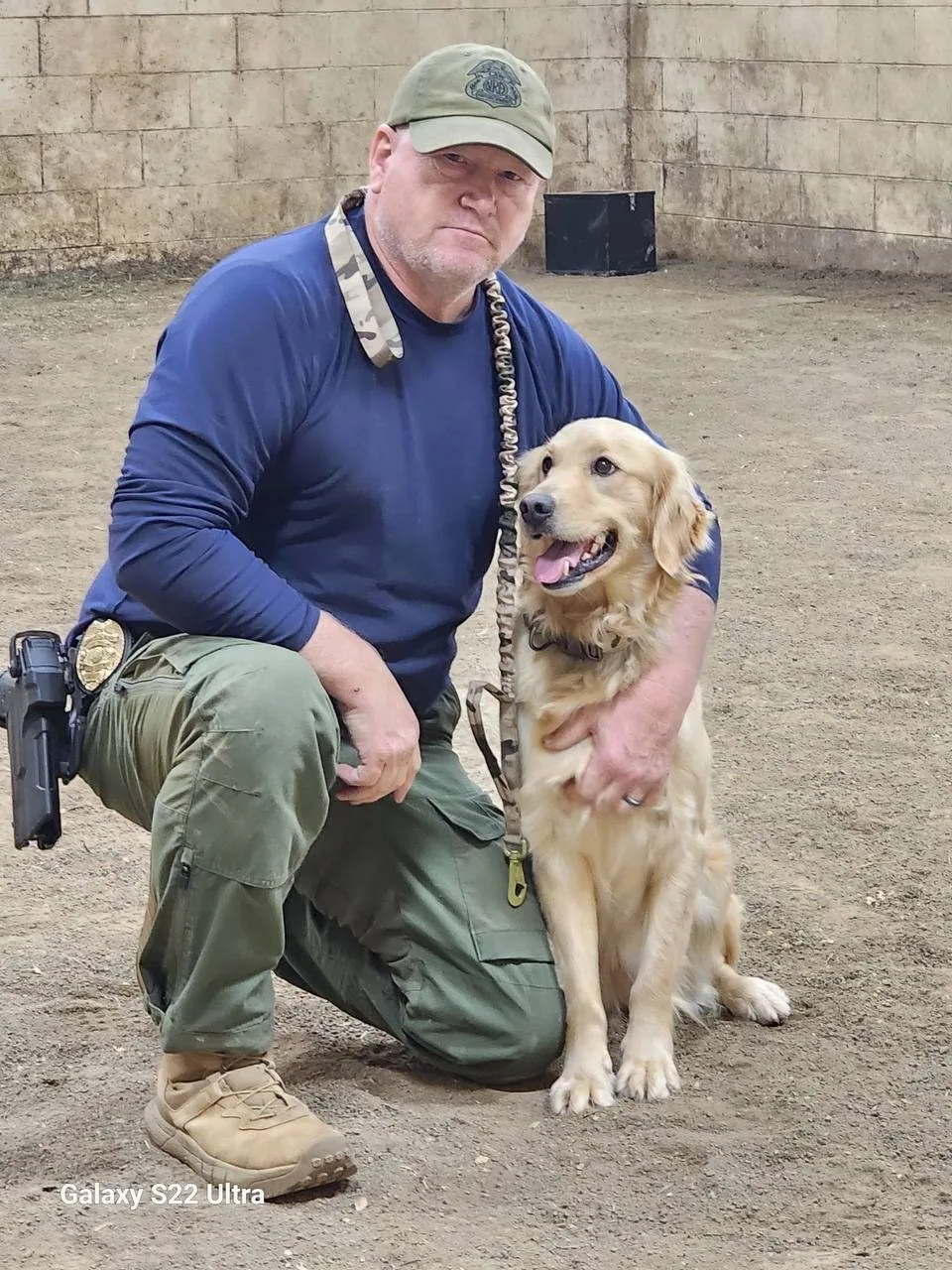
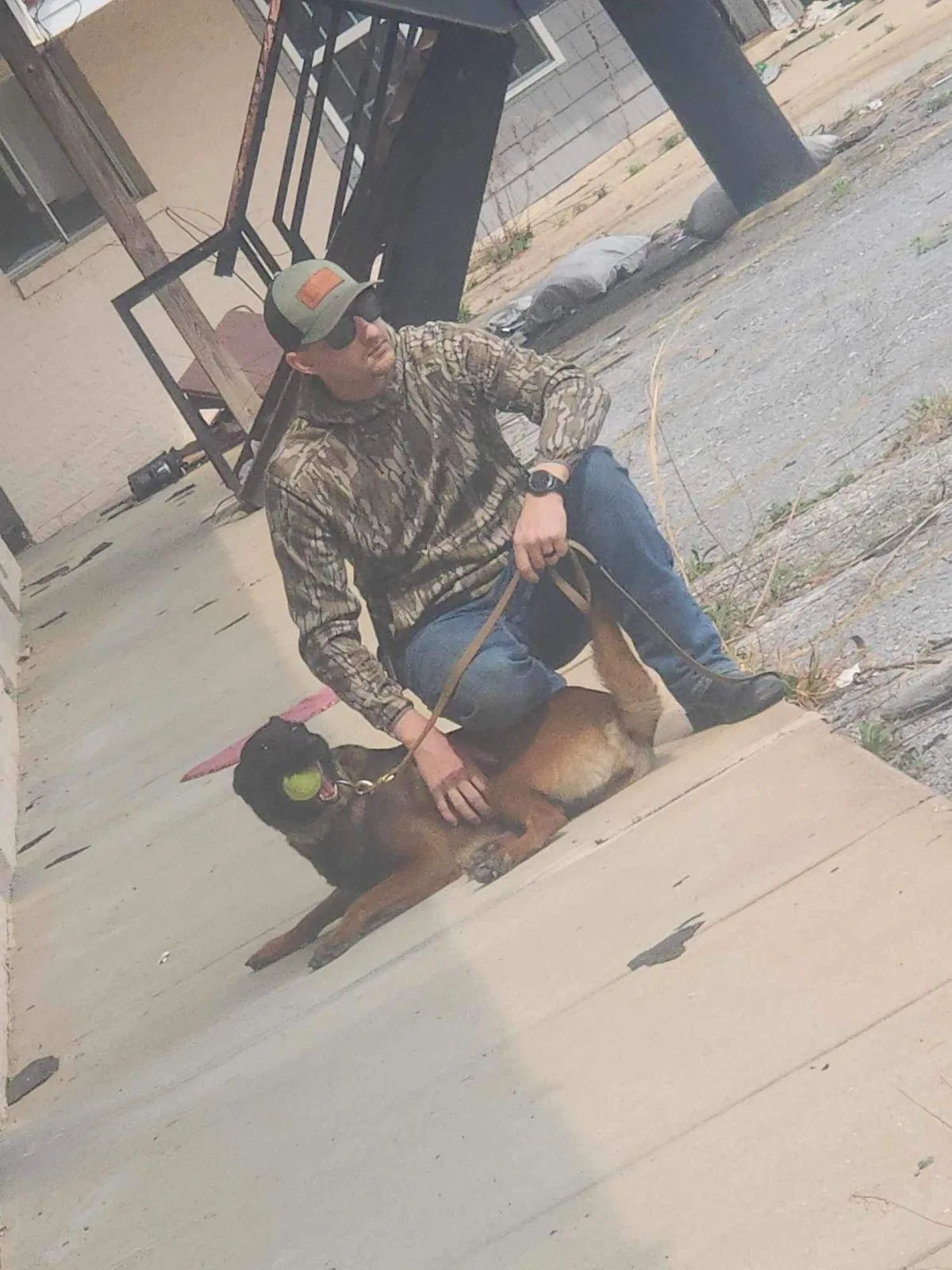
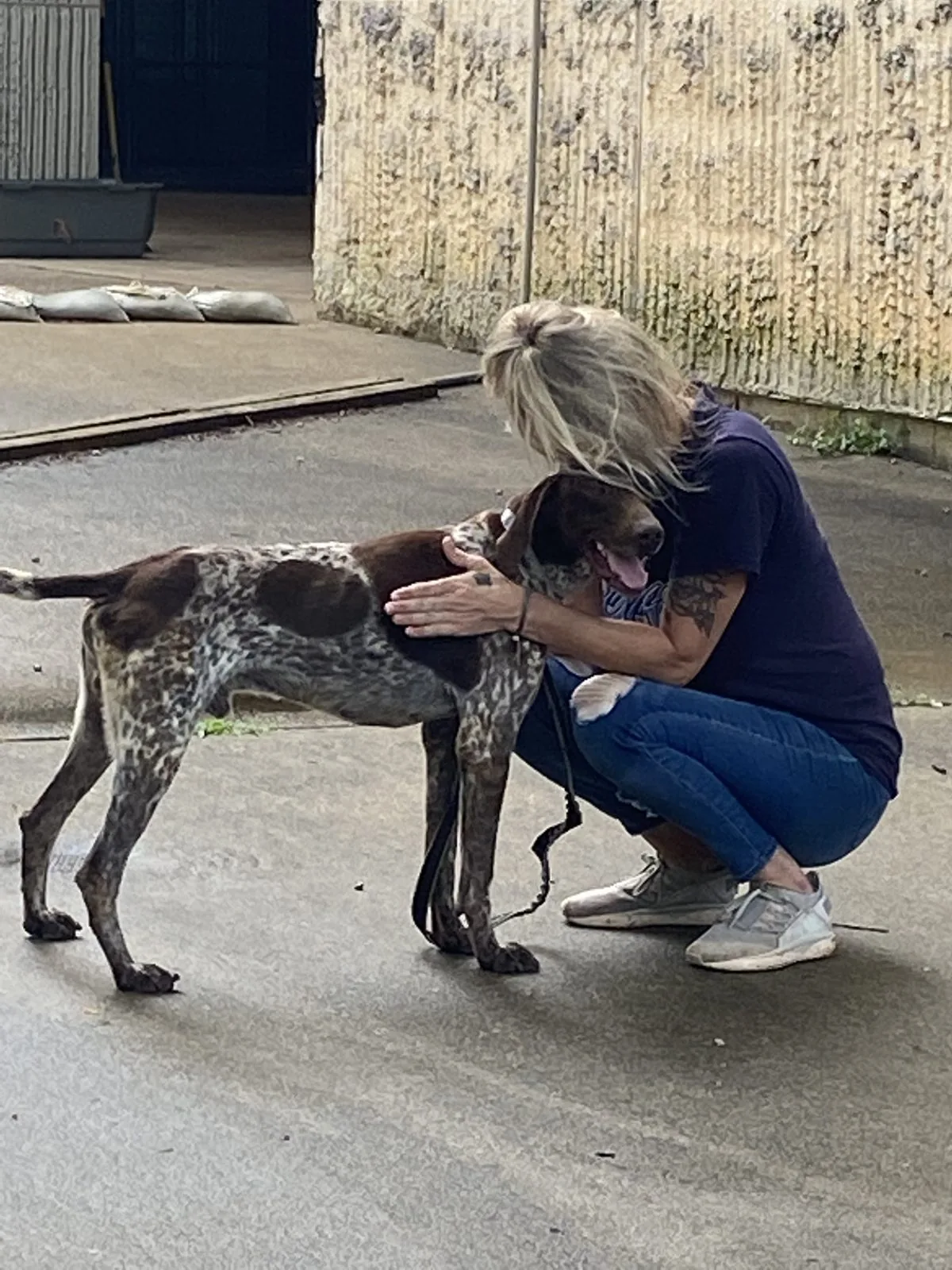
A defined benchmark for evaluating detection-team reliability the way a court would — behavioral documentation, blind and double-blind testing, honest failure records, and handlers who can explain what the dog did.
Completing an LSOC training program is not the same thing as being certified. Certification testing is a separate evaluation of the team's performance, administered to the standards of the certifying organization. Teams finishing handler training may be offered the opportunity to challenge the applicable K9 Alliance certification test.
Documented reliability to a defined standard is defensible in procurement and in court — it turns 'trust us' into evidence a handler can put on the record.
Yes. The four-day classes are open to established teams working through training or operational problems, not only to teams we started. Send video of you and your dog working and we will give you an honest assessment of whether, and how, we can help before you commit to anything.