Standing up a detection program is easy to do badly and expensive to fix later. Whether you're building from scratch or shoring up an existing unit, these are the fundamentals that determine whether your program produces reliable, defensible results.
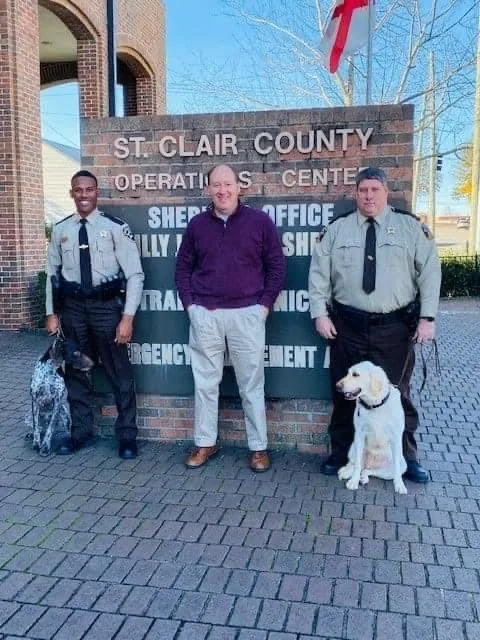
New teams ready to deploy
In short
Starting or fixing a K9 program begins by defining the mission and the standard you'll hold teams to, then selecting dogs and handlers systematically and building maintenance and honest records from day one. Blind testing and documentation are what let a program survive an audit or a courtroom challenge.
Define the mission and the standard first
Programs drift when nobody wrote down what 'good' means. Before selecting dogs or handlers, define the mission profile and the certification standard you'll hold teams to. That standard becomes the yardstick for selection, training, maintenance, and — critically — the documentation that defends your program under scrutiny.
Select for the work, systematically
Ad-hoc dog buying is where most programs leak reliability. Use a consistent selection process that tests scent ability, environmental confidence, search drive, and stability against your actual mission. Document every selection decision.
The same applies to handlers: pick people who can commit to the reps and the recordkeeping, not just the enthusiasts.
Build maintenance and records into day one
Reliability decays without maintenance training, and undocumented reliability is legally fragile. A real program schedules ongoing training and keeps records that show, on paper, that teams are held to standard. This is the difference between a program that passes an audit and one that panics before one.
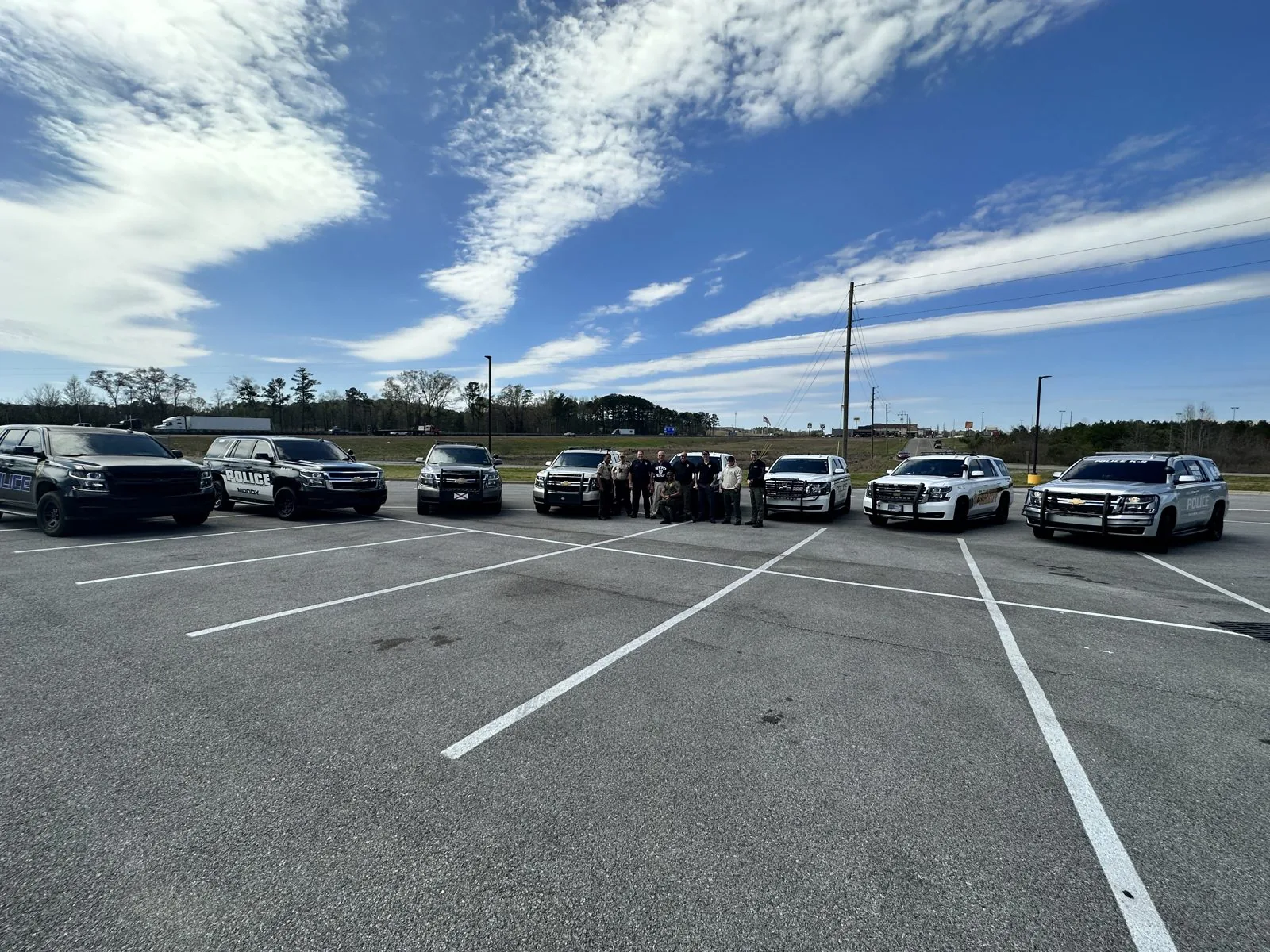
Program training day
Get an outside evaluation before you need one
A structured, standards-based audit from an experienced operator surfaces the gaps while they're cheap to fix — not in a courtroom or a failed certification. Whether you run the fixes yourself or with help, the audit gives you a prioritized, honest picture.
Documentation is the program
Agencies think of records as paperwork that supports the program. Reverse that. In any hearing or audit that questions a deployment, the record is the program — it is the only thing that survives to be examined months or years later. A program that trains well but documents thinly is a program that will lose arguments it should win. Build the recordkeeping in from day one: training logs, maintenance history, and testing results that honestly include failures. A log with no misses in it does not read as a perfect unit; it reads as a unit that isn't recording honestly, and a competent attorney knows the difference.
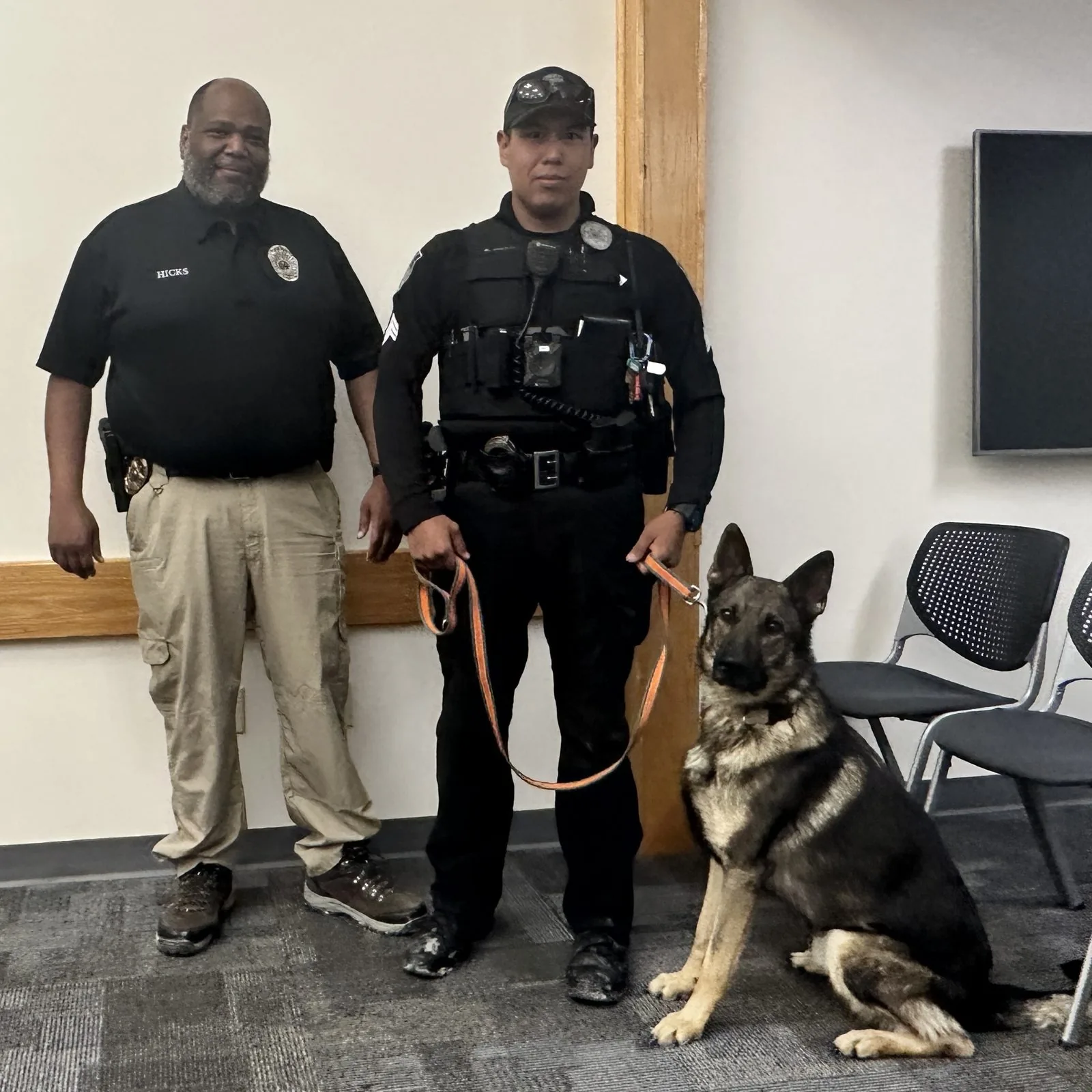
A stood-up detection team
Blind testing, or it didn't happen
The fastest way to tell a serious program from a going-through-the-motions one is to ask how it tests. If handlers always know where the aids are hidden, the program cannot answer the single most important challenge it will face — that the dogs are reading their handlers rather than odor. Blind and double-blind testing isn't an advanced nicety; it's the evidence that your teams work independently. Bake it into the training schedule and the certification process, and keep the records, because those records are exactly what turn “trust us” into something a court can weigh.
The view from the chief's chair
A detection program is a liability decision before it is a capability. Someone in your organization will ultimately answer for it — for its deployments, its documentation, and its performance when a case or an audit puts it under a microscope. Building the program backward from that scrutiny, rather than forward from a demo, is what keeps it from becoming the thing that comes apart at the worst possible moment. That perspective — having sat in the chair that answers for the program — is what an experienced outside evaluation brings to the table.
Common failure modes to avoid
Buying dogs before defining the mission.
Training the dog but neglecting the handler.
No maintenance schedule.
Thin or missing documentation.
Testing that is never truly blind.
No recognized certification standard behind the program.
Frequently asked
Can you just audit our existing program?
Yes — many engagements start with an audit that produces a prioritized fix-list you can execute with us or on your own.
Do you help us reach certification?
We build and evaluate to the LSOC standard and prepare teams for defensible certification.
Get a straight read on your program.
Book a program assessment — a focused call to scope your program and its gaps, from someone who's built and audited them.