Explosives detection is the discipline with the least room for error. Selection, training, and maintenance standards have to be higher because the cost of a miss is catastrophic. This guide covers what separates a truly operational EDD team from one that only looks the part.
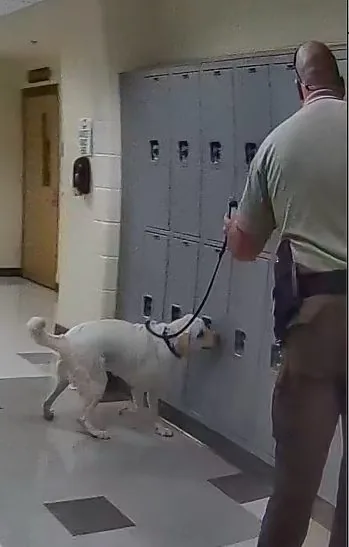
Facility search — high-consequence
In short
Explosives detection is the discipline with the least room for error, so selection, training, and maintenance standards run higher. Operational reliability means the team performs in realistic environments and works independently, proven by blind testing — never a claim of 100% accuracy, which no honest trainer makes.
Selection is stricter for a reason
Explosives detection dogs are selected for the same core traits as any detection dog — hunt drive, environmental confidence, search stamina, stability — but the bar is higher and the temperament requirements stricter, because these dogs work in crowds, transit, and high-pressure environments where a shutdown or a false response has serious consequences.
Operational, not just certified
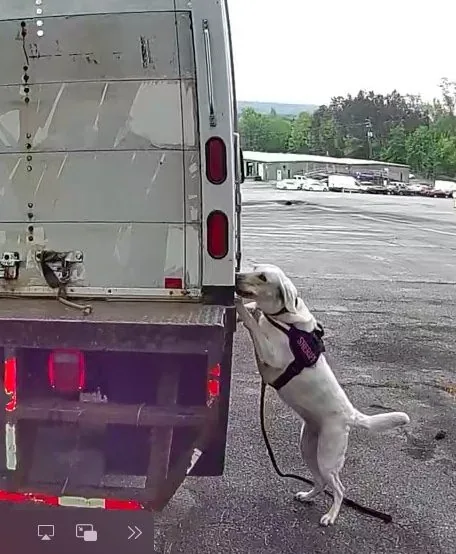
Certification is a floor, not a ceiling. Operational reliability means the team performs in realistic environments — luggage, vehicles, venues, moving crowds — not just in a controlled certification setup. Field deployment training bridges that gap and should be non-negotiable.
Exterior vehicle search
Maintenance and documentation
Scheduled maintenance training to prevent skill decay.
Meticulous records — training, certification, finds.
Regular re-evaluation against a recognized standard.
Handler continuity and development.
Independent work is the whole game
In a discipline where the cost of error is catastrophic, the last thing you can afford is a dog that's reading its handler instead of odor. That makes blind and double-blind testing more essential here, not less. A team that only trains where the handler knows the hide has no way to prove — to itself or to anyone else — that the dog works the explosive and not the human. Build the testing in, keep the records, and you have a team whose reliability is demonstrated rather than hoped for. That is the only kind of reliability worth deploying against this threat.
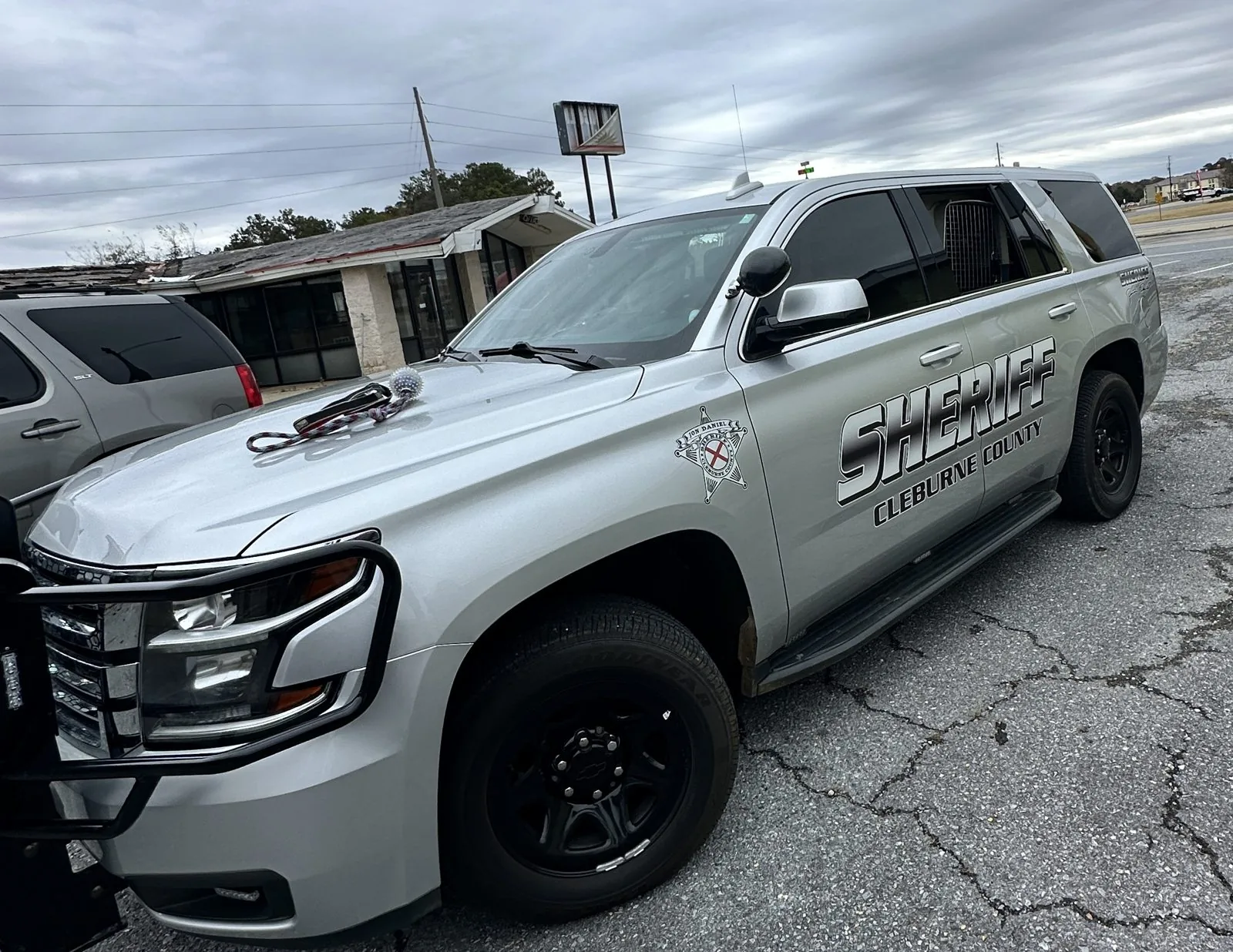
Operational K9 unit
Why perfection is the wrong promise — even here
It is tempting, in the highest-consequence discipline, to want a guarantee. Be suspicious of anyone who offers one. No honest trainer will tell you a dog is “100% accurate” or will “never false alert” — dogs are living detectors, not instruments, and a program that hides that fact is a program you cannot trust when it counts. What you should demand instead is higher than perfection because it is real: a team selected and trained to the strictest standard, tested honestly under blind conditions, maintained on a schedule, and documented so thoroughly that its reliability can be demonstrated rather than asserted. In explosives work, honesty about a dog's real capabilities isn't a weakness — it's the entire foundation of trusting the dog with the job.
The handler is half the system
In explosives work especially, handler reading and search discipline are decisive. A world-class dog with a weak handler is a weak team. Build handler competence deliberately and keep it current.
Frequently asked
Is certification enough for explosives work?
Certification is the floor. Operational reliability requires field-realistic training and ongoing maintenance beyond the certification standard.
Do you provide the dog and train our handler?
Both — and for high-consequence work we strongly recommend the full team approach rather than a dog alone.
Deploying explosives detection capability?
Talk to an operator about selection, handler certification, and holding the team to an operational standard.