A detection dog is a multi-year investment that your operation's results ride on. Whether you're a department, a pest-control company, or a conservation team, the difference between a dog that performs and one that quietly fails comes down to selection. Here's how professionals evaluate a candidate before a dime changes hands.
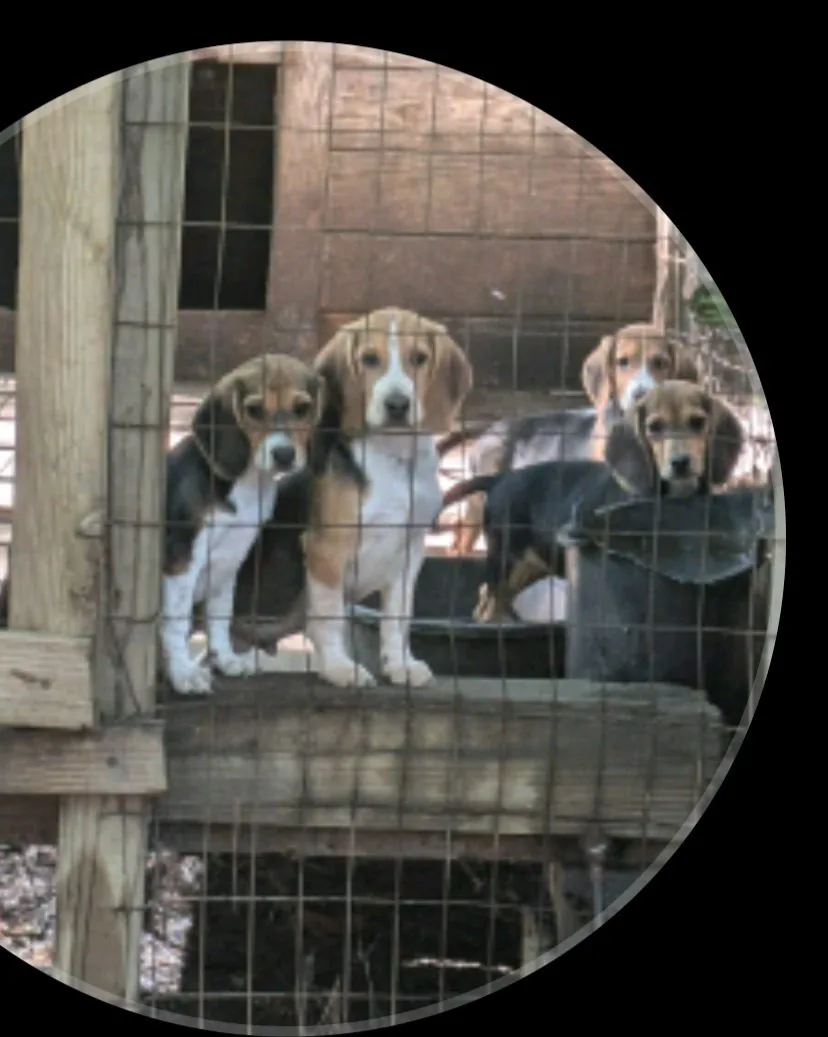
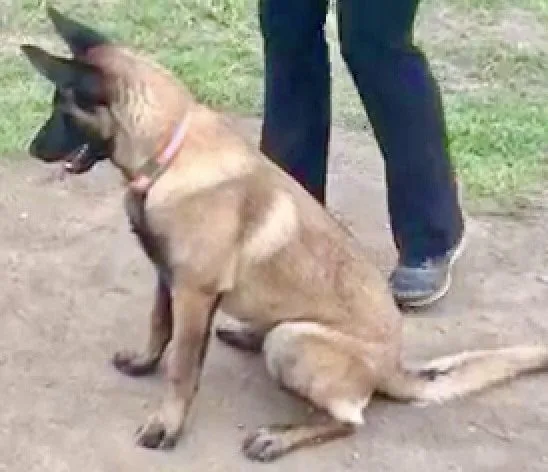
Candidate dogs come in many breeds
In short
Choosing a detection dog starts with the job, not the dog: define the target odors, environment, and workload first, then evaluate hunt drive, environmental confidence, stamina, and stability. Watch the dog work a cold, realistic problem, insist on a blank-area test, and buy the team — dog plus trained handler.
Start with the job, not the dog
Before you look at a single dog, define the work precisely. What odor(s)? What environments — vehicles, luggage, open fields, structures? How many searches a day, in what climate? A dog selected for calm indoor bed-bug work is a poor match for high-tempo vehicle interdiction, and vice versa. The clearer the job profile, the better the match.
Write down your non-negotiables: target odors, environment, daily workload, and who will handle the dog. This profile is what a good vendor will ask you for first — and if they don't ask, that tells you something.
The four traits that predict field reliability
Across disciplines, working-dog professionals evaluate the same core traits:
Scent ability & hunt drive — the genuine desire to search and keep searching when the odor is faint or the environment is distracting.
Environmental confidence — comfort on slick floors, stairs, heights, noise, and novel places. A brilliant nose is useless if the dog shuts down in a real setting.
Search drive & stamina — the persistence to work a full shift without quitting.
Operational stability — a steady temperament under pressure, around people, and in chaos.
Green, started, or finished — know what you're buying
Dogs are sold at different stages, and the right choice depends on your handler's experience and your timeline.
Green dogs show aptitude but aren't trained — cheapest, longest road, needs an experienced trainer.
Started dogs have foundation odor work underway.
Finished dogs are trained to work and can be certified with a handler quickly — highest cost, lowest risk, fastest to deployment.
There's no universally 'right' answer, but be honest about your team's ability to develop a dog. A finished dog paired with handler certification is the lowest-risk path for most agencies and businesses.
Evaluating drive and response
Insist on evaluation and documentation
Reputable programs test dogs against a defined standard and hand you the records. Ask to see the selection testing, watch the dog work in an environment like yours, and get written documentation of what was evaluated. For agencies especially, that paper trail is what makes a team defensible in procurement and in court.
If a seller resists letting you see the dog work or can't produce evaluation records, walk away.
Watch the dog work cold
A demo the seller controls tells you very little. Of course the dog finds the aid the trainer hid in a room the dog knows — that is a rehearsal, not a test. Insist on watching the dog work a problem it hasn't seen, in an environment like the one you'll deploy it in, with distractions present. Watch how it searches, not just whether it sits: does it work systematically, commit to source, and stay in the game when the odor is faint? A dog that works honestly in an unfamiliar problem is showing you what you're actually buying.
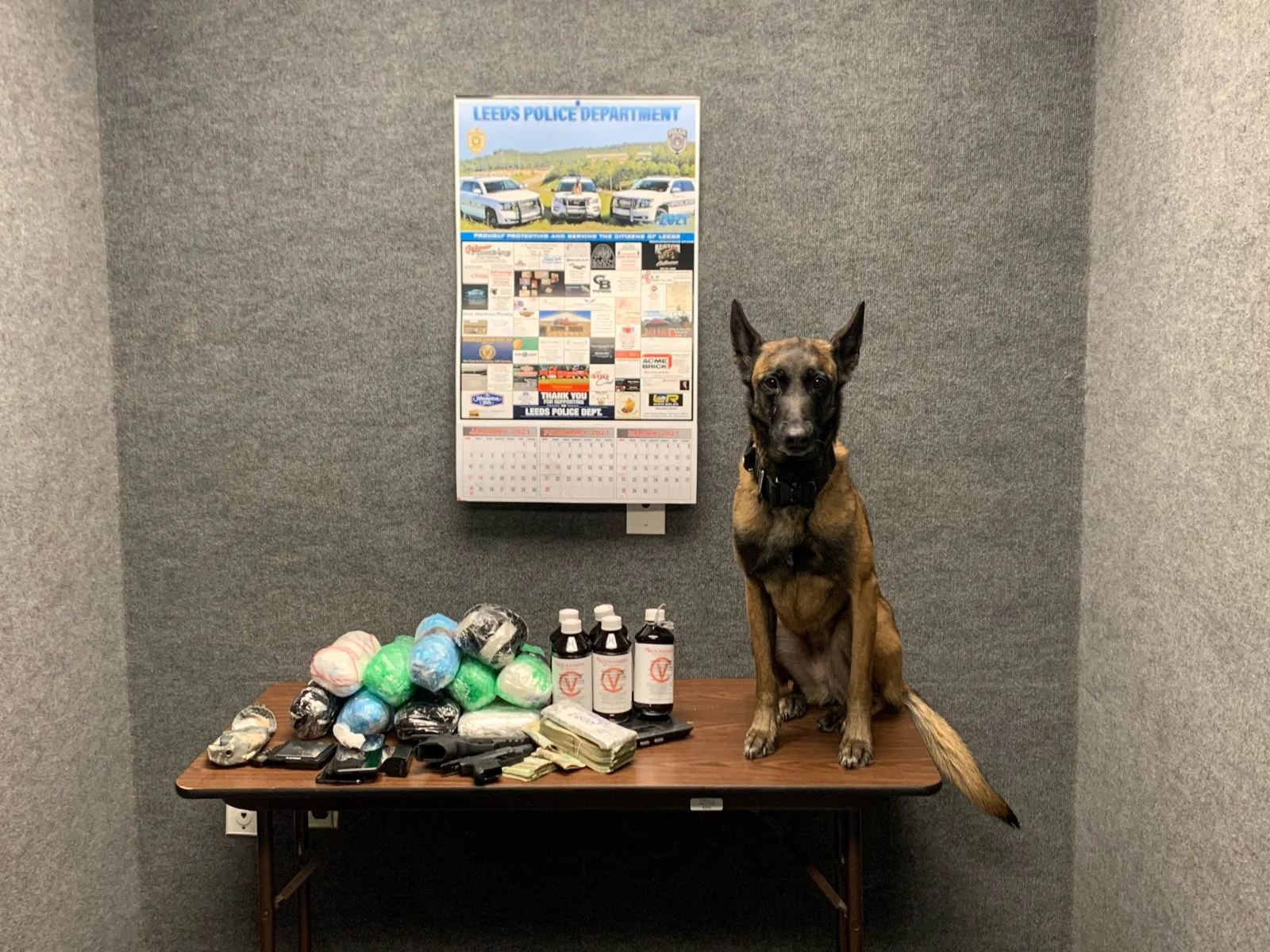
A finished narcotics dog
The honest-dog test
Here is a test most buyers never think to run, and it separates a reliable dog from an impressive one: ask to see the dog work a blank area — a search with no target odor at all. A well-trained dog will work it and clear it honestly. A dog that has been taught, however unintentionally, that every search must end in a find will do something revealing instead: it will manufacture an answer, because it believes producing an alert is the job. You want the dog that can say “there's nothing here.” A dog whose “no” is honest is a dog whose “yes” you can trust — and defend.
Price versus total cost
The cheapest dog is almost never the lowest total cost. A green dog with a low sticker price is a months-long project that ties up a handler and carries real risk of washing out; a finished dog costs more up front and deploys fast with far less risk. Think in terms of time-to-deployment and risk, not just purchase price, and factor in handler training and ongoing maintenance. A dog is a multi-year investment your results ride on — buying on sticker price alone is how operations end up paying twice.
Buy the team, not just the dog
Reliability is a property of the dog and the handler together. The best dog in the country will underperform with an undertrained handler. Factor handler training and certification into your decision and your budget from the start — it's not an add-on, it's half the system.
Frequently asked
How much does a detection dog cost?
Our fully trained dog and handler package is $13,500, which includes the dog, training in an approved discipline, and handler instruction. Training a dog you already own is quoted individually. Either way, the cheapest dog is rarely the lowest total cost once training and reliability are accounted for.
How long until a dog is deployable?
A finished dog paired with handler certification can deploy quickly; a green dog is a months-long project. Any timeline is an estimate — dogs and handlers progress at different rates, and more instruction is sometimes the right call before a team goes operational.
Talk through your use case with an operator.
Tell us the job — odor, environment, and workload — and we'll tell you straight what kind of dog fits and what it takes to deploy.