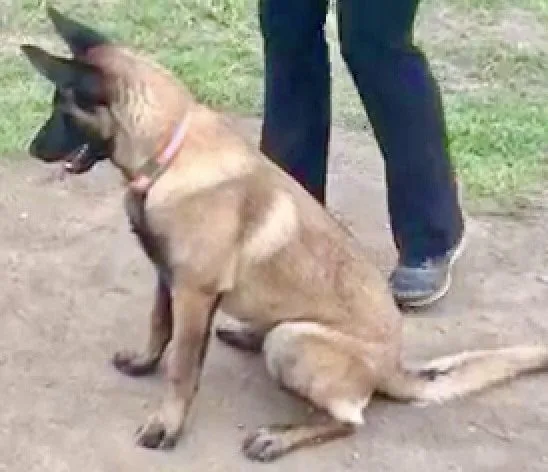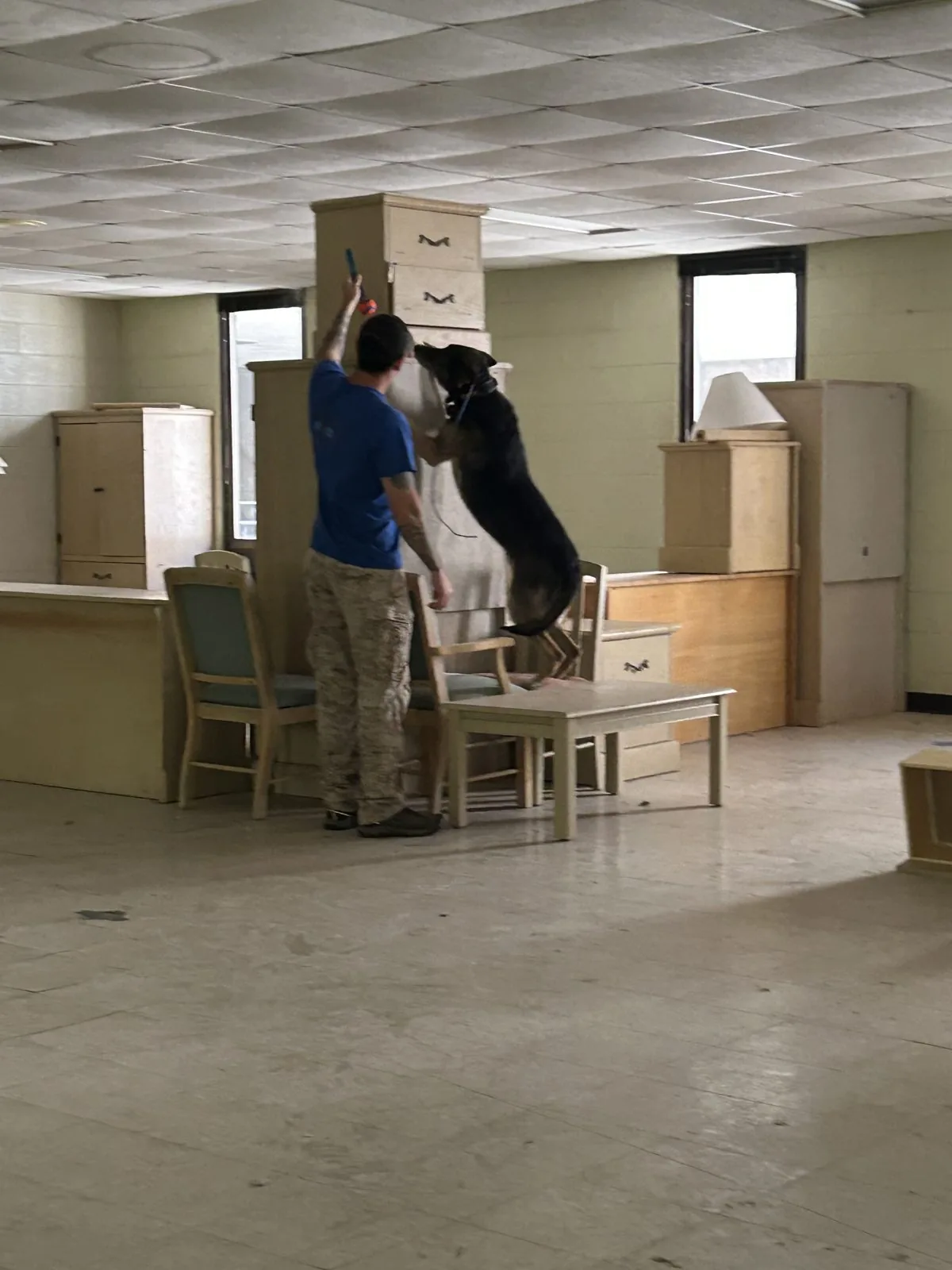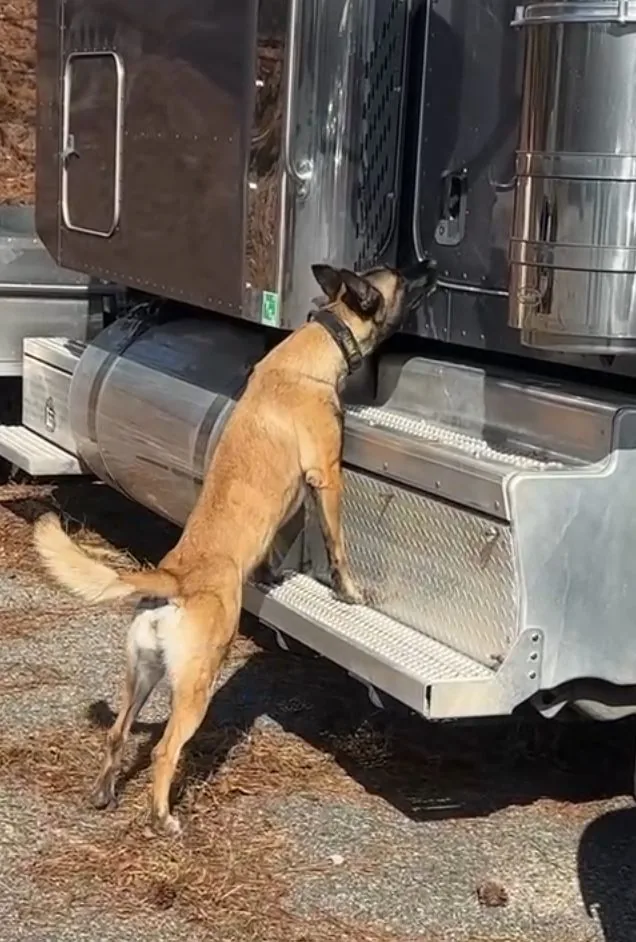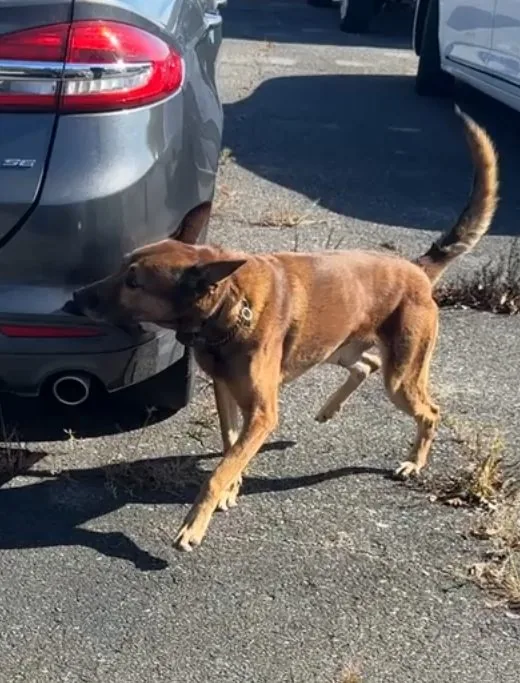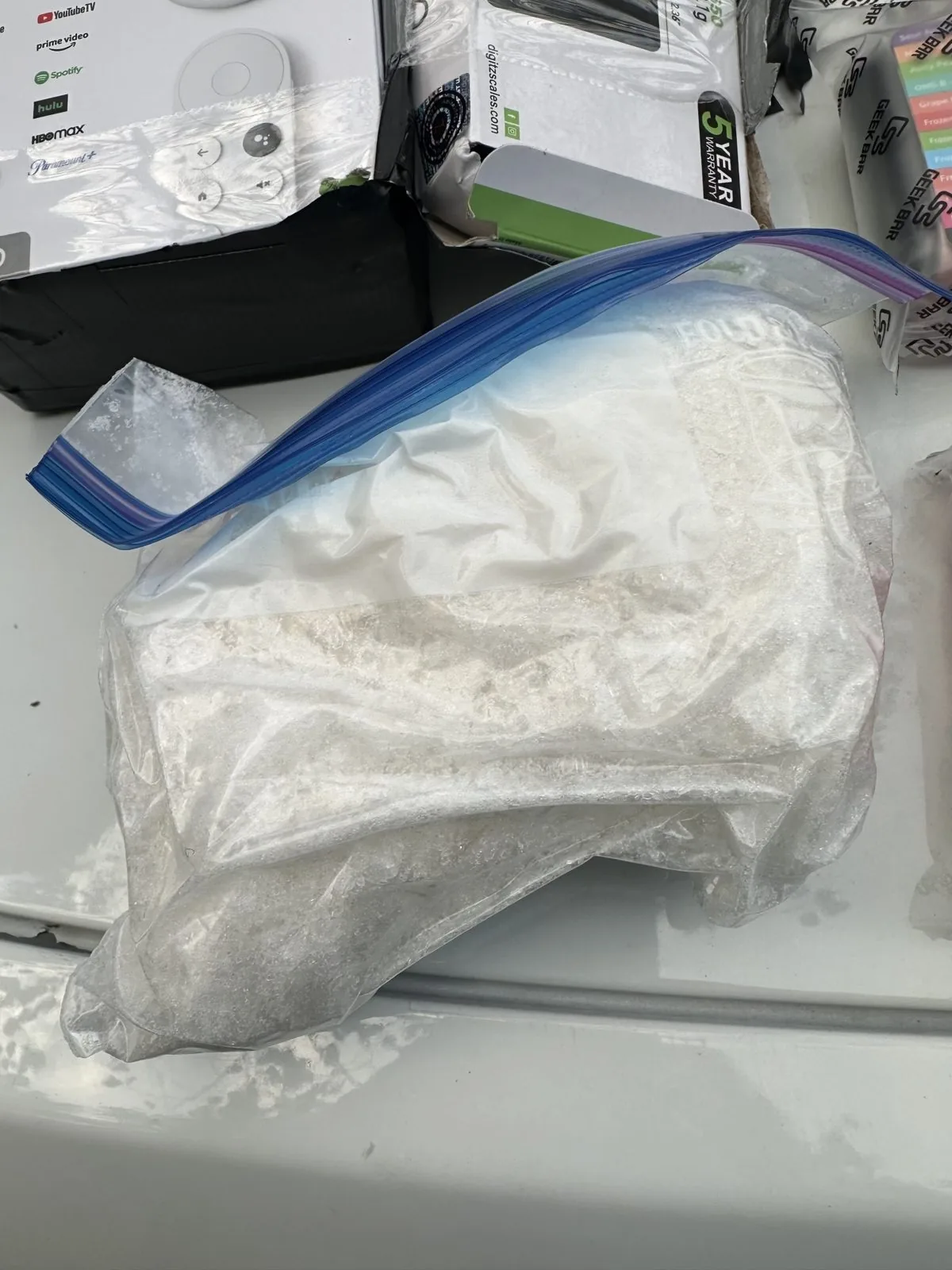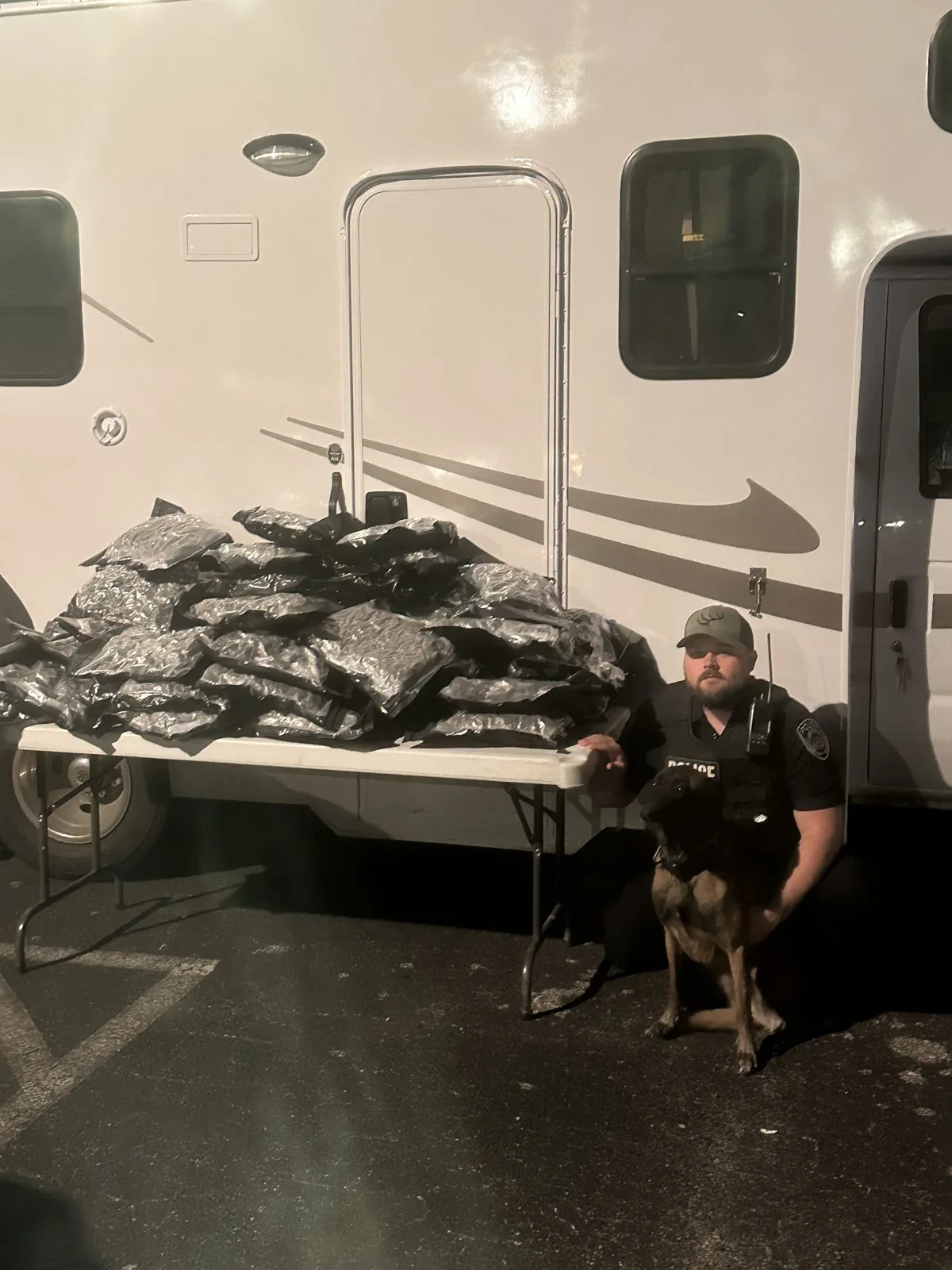
The find another dog had already cleared
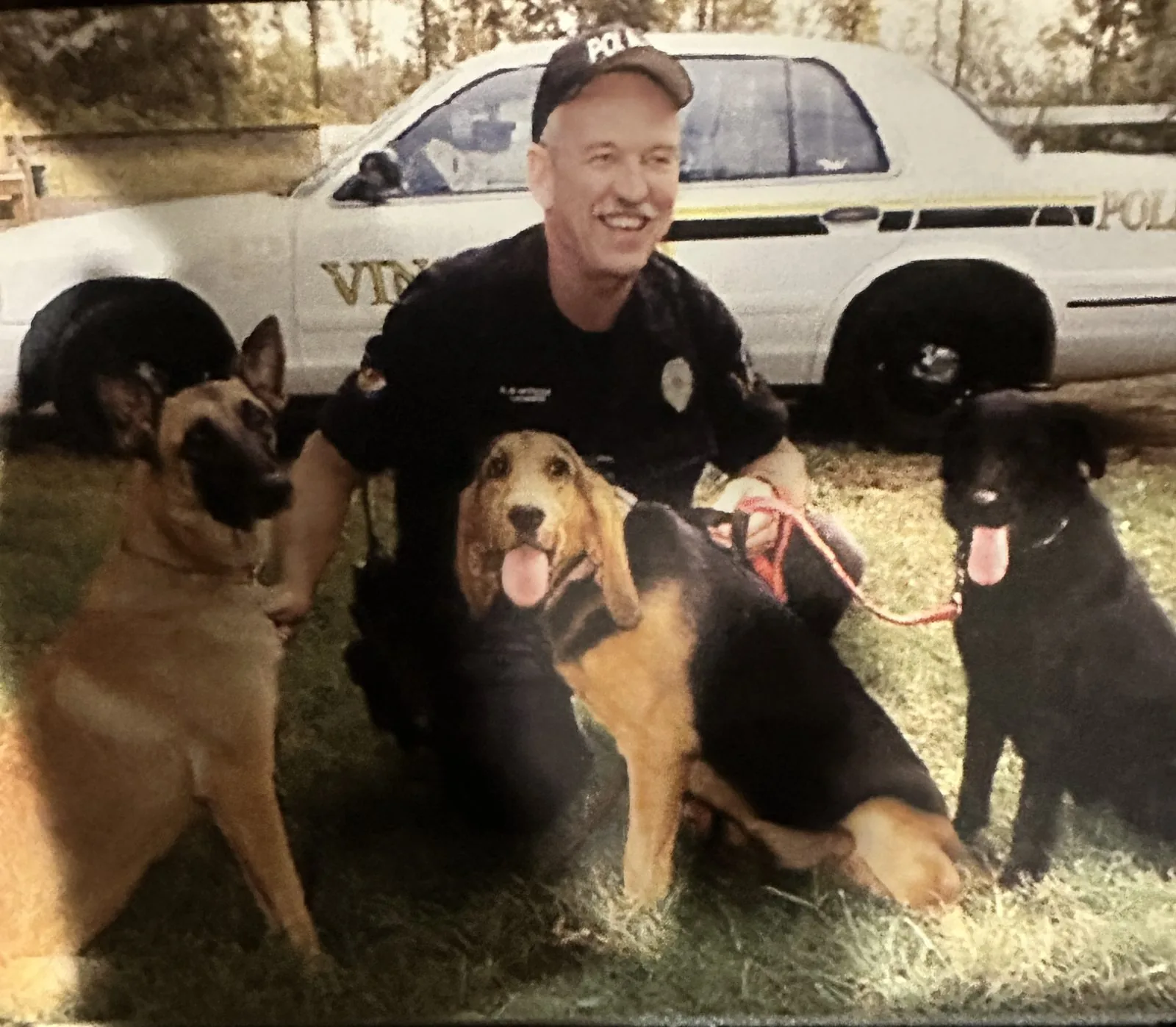
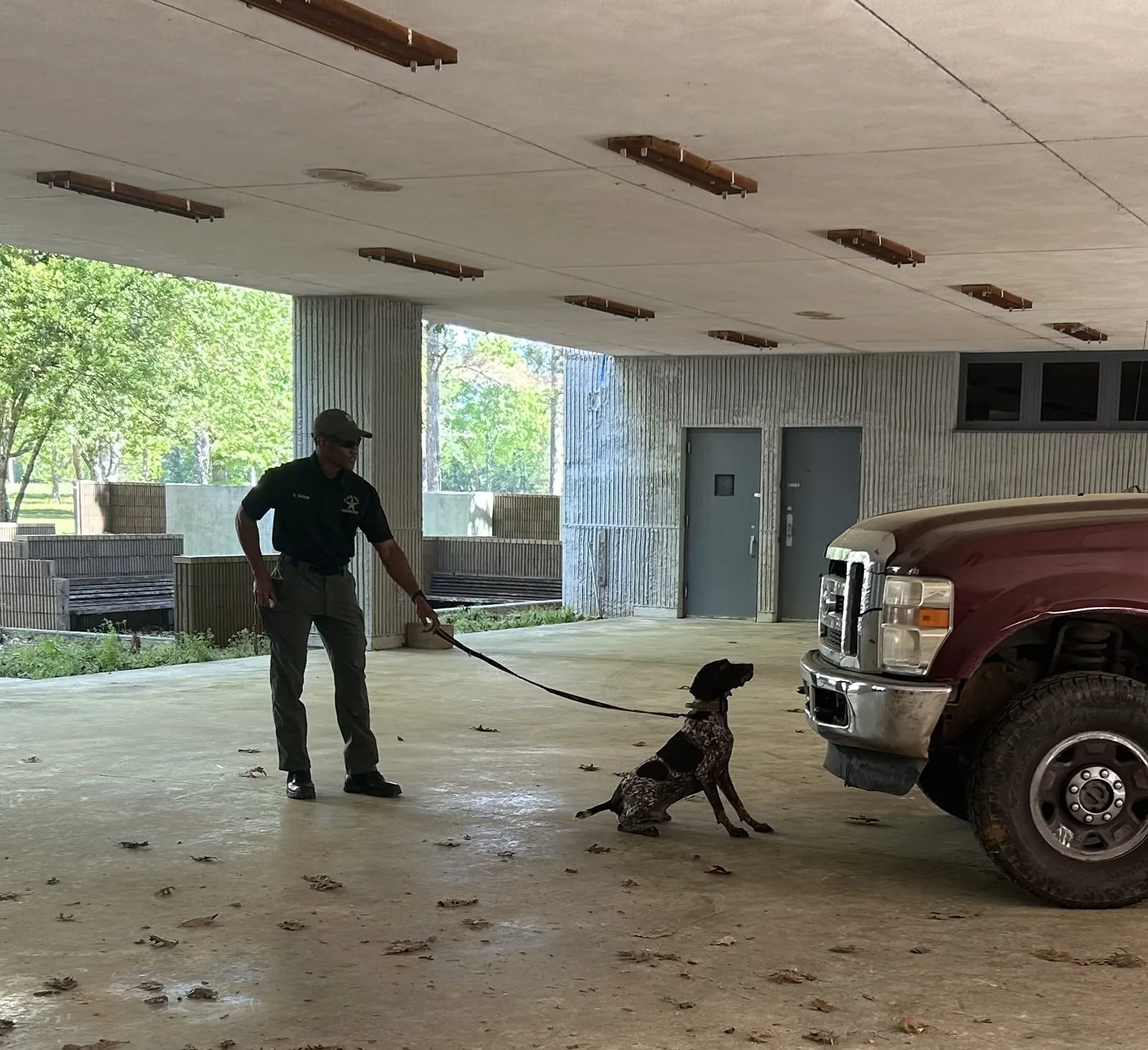
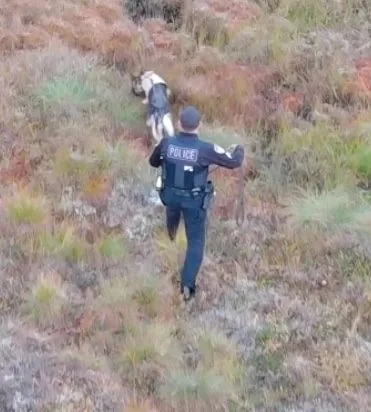
We were called out to work a vehicle for another agency. When we got there five or six patrol cars were already on scene. Must be a big deal, I thought. The officer who made the stop asked me to run Tatsa on the pickup and tell him what we found.
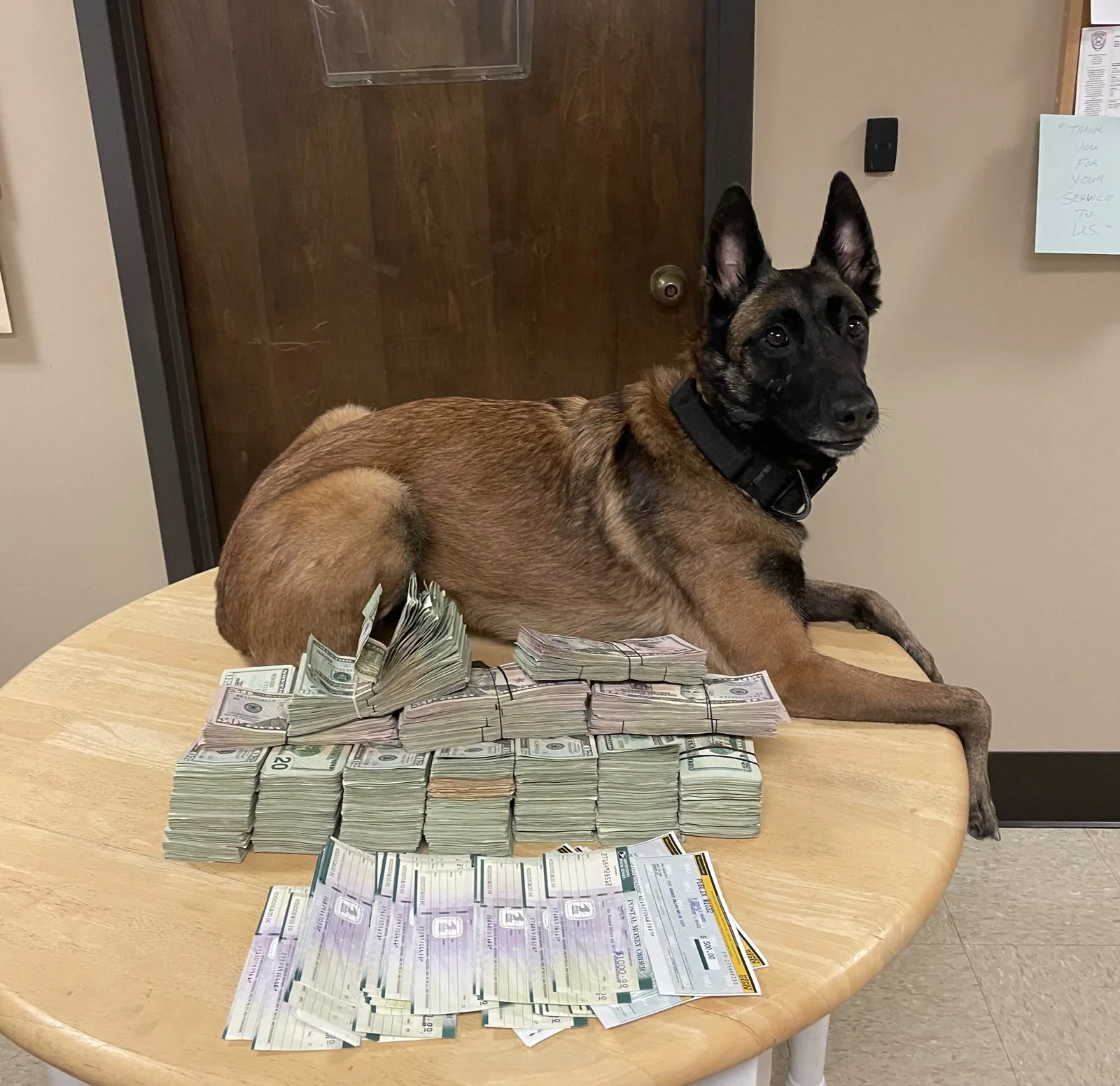
I took her to the grass for a break and we approached from the passenger side. She engaged and started to work. Coming past the driver's door she stopped hard, changed direction back toward it, sniffed for a minute, and sat with her nose pointed at the door. I signaled the alert. The officer opened the door and reached in behind the seat almost immediately: a medicine bottle holding thirty crack rocks, individually wrapped in foil and packaged for distribution. The narcotics and a quantity of cash were seized and the driver was arrested.
Then I was told a K9 team had already worked that truck and cleared it. Had I known that before I came, I probably would not have come.
That one stayed with me. I wanted to know why the other dog did not alert, and I have since learned there are a lot of possible reasons. But one of the most common is handler influence — and almost everyone discusses it in one direction only. Handlers are trained not to cue a dog into a false alert. I think influence can just as easily cause a miss. If a dog has become handler-dependent and is waiting on a cue it is used to getting, it can find the odor, never get the cue, and never give the trained final response.
The handler that day was new, and this is a hypothesis on my part, not something I can prove about that dog. But knowing what I know now it is a reasonable explanation, and it is a large part of why I built training strategies to reduce handler influence. We have to guard against influencing a dog into a false alert. We also have to guard against influencing one into a miss.